EPA’s 2026 Emissions Standards: What Manufacturers and Consumers Must Know Now
EPA’s 2026 Emissions Standards: What Manufacturers and Consumers Must Know Now
The automotive industry is on the cusp of a significant transformation, driven by evolving environmental concerns and stricter regulatory frameworks. At the forefront of this change are the new emissions standards set by the Environmental Protection Agency (EPA) for 2026 vehicles. These regulations are not merely incremental adjustments; they represent a bold step towards a cleaner, more sustainable future for transportation. For vehicle manufacturers, these standards present both formidable challenges and unparalleled opportunities for innovation. For consumers, they promise a new generation of vehicles that are not only more environmentally friendly but also potentially more efficient and technologically advanced. Understanding the intricacies of the EPA 2026 Emissions Standards is paramount for anyone involved in or affected by the automotive sector.
The EPA’s mandate is clear: to reduce greenhouse gas emissions and other harmful pollutants from light-duty vehicles. This initiative is part of a broader effort to combat climate change and improve air quality, aligning the United States with global efforts towards decarbonization. The 2026 standards build upon previous regulations, pushing the boundaries of what is achievable in terms of vehicle emissions control. This comprehensive guide will delve into the specifics of these new standards, explore their profound implications for manufacturers, shed light on what consumers can expect, and discuss the broader environmental and economic impacts. As the deadline approaches, staying informed and prepared is crucial for navigating this pivotal moment in automotive history.
Decoding the EPA 2026 Emissions Standards: The Core Mandate
At its heart, the EPA 2026 Emissions Standards aim to significantly reduce the tailpipe emissions of passenger cars and light trucks. These standards target not only traditional pollutants like nitrogen oxides (NOx) and particulate matter (PM) but also, crucially, greenhouse gases (GHGs), primarily carbon dioxide (CO2). The EPA’s approach is holistic, seeking to achieve reductions through a combination of stricter fleet-wide average emissions targets and incentives for advanced vehicle technologies.
The regulations are structured to encourage a rapid transition towards electric vehicles (EVs) and plug-in hybrid electric vehicles (PHEVs) by setting ambitious CO2 reduction targets that become increasingly stringent over time. For instance, the EPA has projected that these standards will require an average fleet-wide CO2 emission level that is significantly lower than current levels, forcing manufacturers to integrate more zero-emission vehicles into their product lineups. This isn’t just about cleaner internal combustion engines (ICE); it’s about fundamentally reshaping the vehicle fleet.
Furthermore, the standards include provisions that address the full lifecycle emissions of vehicles, considering not only tailpipe emissions but also the upstream emissions associated with fuel production and electricity generation. This comprehensive perspective underscores the EPA’s commitment to a truly sustainable transportation system. Manufacturers will need to account for these broader impacts, driving innovation across their entire value chain, from material sourcing to manufacturing processes.
The key components of the EPA 2026 Emissions Standards include:
- Stringent CO2 Reduction Targets: The most impactful aspect, pushing for a substantial decrease in fleet-average CO2 emissions each model year.
- Zero-Emission Vehicle (ZEV) Credits and Mandates: While not a direct ZEV mandate across all states, the structure of the CO2 targets effectively incentivizes the production and sale of EVs and PHEVs.
- Full Lifecycle Emissions Consideration: Acknowledging the environmental impact beyond the tailpipe, encouraging a more holistic approach to vehicle design and fuel sources.
- Flexibility Mechanisms: The EPA often includes mechanisms like credit trading and banking, allowing manufacturers some flexibility in meeting targets, provided overall emissions goals are achieved.
These standards are designed to be technology-forcing, meaning they are set at levels that require the development and deployment of advanced technologies rather than simply relying on incremental improvements to existing ones. This forward-looking approach is intended to accelerate the transition to a clean energy economy and position the U.S. as a leader in sustainable automotive technology.
Impact on Automotive Manufacturers: Navigating the New Landscape
For automotive manufacturers, the EPA 2026 Emissions Standards represent a monumental undertaking. The pressure to innovate, retool production lines, and significantly alter product portfolios is immense. Companies that fail to adapt risk falling behind competitors and facing substantial penalties.
Technological Innovation and Investment
Meeting the new standards will necessitate massive investments in research and development. Manufacturers will need to refine existing technologies for internal combustion engines to make them more efficient and cleaner, while simultaneously accelerating the development and deployment of electric vehicle platforms. This includes:
- Advanced Powertrains: Further optimizing gasoline and diesel engines with technologies like advanced turbocharging, direct injection, and variable valve timing.
- Hybridization: Expanding the range and efficiency of hybrid and plug-in hybrid vehicles.
- Electric Vehicle (EV) Development: Investing heavily in battery technology, electric motors, charging infrastructure solutions, and dedicated EV platforms. This is arguably the most significant area of focus, as EVs offer the most direct path to meeting stringent CO2 targets.
- Lightweighting: Utilizing advanced materials like aluminum, carbon fiber, and high-strength steels to reduce vehicle weight, thereby improving fuel efficiency for both ICE and EV models.
- Aerodynamics: Designing vehicles with improved aerodynamic profiles to reduce drag and enhance efficiency.
The shift towards EVs also requires a complete rethinking of manufacturing processes, supply chains, and workforce training. Factories will need to be reconfigured to produce electric powertrains and battery packs, and technicians will require new skills to service these advanced vehicles.
Strategic Planning and Product Portfolio Adjustments
Manufacturers will need to strategically re-evaluate their entire product lineup. Legacy models with high emissions may need to be phased out or redesigned. The introduction of new EV models will accelerate, and companies will likely diversify their offerings to include a wider range of electric cars, SUVs, and trucks to meet consumer demand and compliance requirements. The competitive landscape will intensify as companies vie for market share in the rapidly expanding EV segment.
Compliance Costs and Potential Penalties
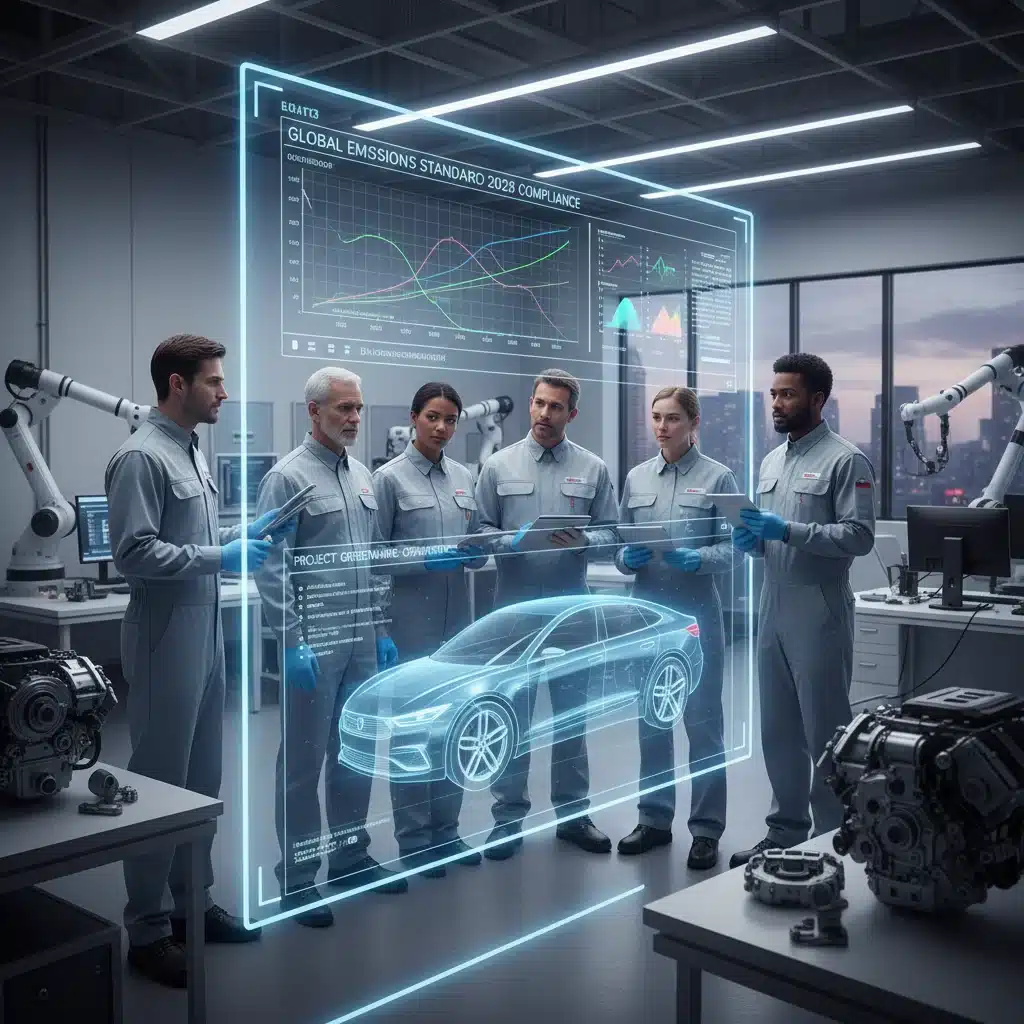
The costs associated with complying with the EPA 2026 Emissions Standards will be substantial. These include R&D expenses, retooling costs, and potential investments in charging infrastructure partnerships. Manufacturers that fail to meet the standards risk facing significant financial penalties, which can run into billions of dollars. This financial pressure serves as a powerful motivator for compliance and innovation.
However, there’s also an opportunity. Companies that successfully navigate this transition can gain a competitive edge, establish themselves as leaders in sustainable transportation, and attract environmentally conscious consumers. Early movers in EV technology and efficient ICE development are likely to reap the greatest rewards.
What Consumers Can Expect: A New Era of Vehicle Ownership
The EPA 2026 Emissions Standards will profoundly impact the choices available to consumers and the overall experience of vehicle ownership. While some changes might initially seem daunting, the long-term benefits are substantial.
Increased Availability of Electric and Hybrid Vehicles
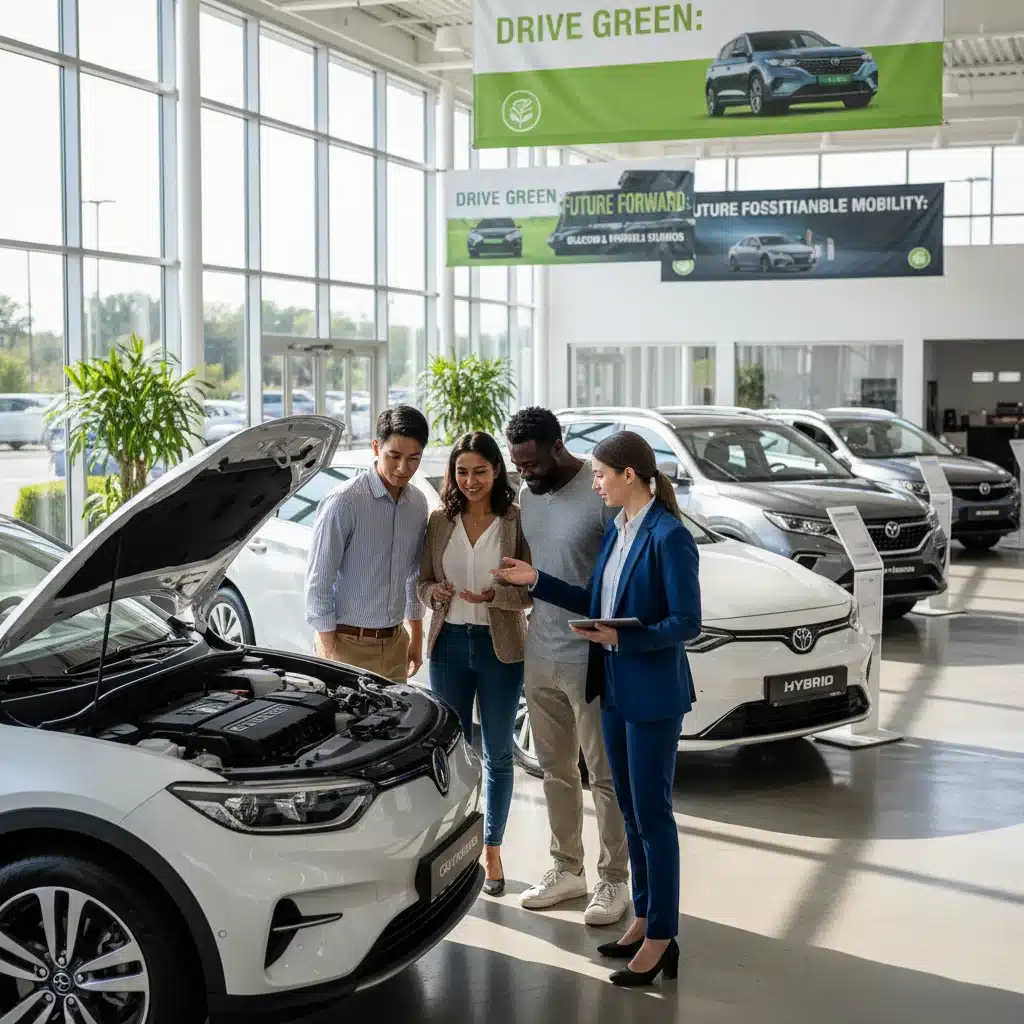
Perhaps the most noticeable change for consumers will be the dramatic increase in the number and variety of electric vehicles (EVs) and plug-in hybrid electric vehicles (PHEVs) available on the market. Manufacturers will be incentivized to produce more of these vehicles to meet their fleet-wide emissions targets. This means:
- More Options: A wider selection of EV models across different segments, from compact cars to SUVs and even pickup trucks.
- Improved Technology: Advancements in battery range, charging speeds, and overall EV performance.
- Competitive Pricing: As production scales and technology improves, the cost of EVs is expected to become more competitive with traditional gasoline vehicles, especially when considering fuel and maintenance savings.
More Fuel-Efficient Gasoline Vehicles
Even for consumers who prefer internal combustion engine (ICE) vehicles, the EPA 2026 Emissions Standards will lead to improvements. Manufacturers will continue to refine and optimize gasoline engines to meet the remaining emissions targets. This means new ICE vehicles will likely be more fuel-efficient and produce fewer pollutants than their predecessors, saving consumers money at the pump and reducing their carbon footprint.
Potential for Higher Upfront Costs (Initially)
While the long-term cost of ownership for EVs and highly efficient ICE vehicles is often lower due to fuel savings and reduced maintenance, the initial purchase price might be slightly higher for some advanced models. However, government incentives, tax credits, and rebates for EVs can help offset these upfront costs, making them more accessible to a broader range of consumers. As technology matures and production volumes increase, these price disparities are expected to diminish.
Changes in Driving and Charging Infrastructure
The shift towards EVs will also necessitate changes in how consumers approach vehicle ownership. Access to charging infrastructure, both at home and in public, will become increasingly important. While significant progress is being made in expanding charging networks, consumers will need to consider their charging habits and available options. This cultural shift is already underway and will only accelerate with the new standards.
Environmental Benefits for All
Ultimately, the biggest benefit for all consumers, regardless of the type of vehicle they drive, is improved air quality and a healthier environment. Reduced emissions mean less smog, fewer respiratory illnesses, and a slower rate of climate change. These are societal benefits that impact everyone.
Broader Environmental and Economic Implications of the EPA 2026 Emissions Standards
The ripple effects of the EPA 2026 Emissions Standards extend far beyond the automotive industry and individual consumers. They touch upon national energy independence, public health, and global climate goals.
Environmental Gains: Cleaner Air and Reduced Climate Impact
The primary objective of these standards is environmental protection. By mandating significant reductions in vehicle emissions, the EPA aims to:
- Improve Air Quality: Lower levels of nitrogen oxides, particulate matter, and other pollutants will lead to cleaner air, especially in urban areas, reducing instances of respiratory and cardiovascular diseases.
- Combat Climate Change: The substantial reduction in greenhouse gas emissions, particularly CO2, is crucial for meeting national and international climate targets, slowing global warming, and mitigating its severe consequences.
- Preserve Ecosystems: Reduced air pollution benefits not only human health but also natural ecosystems, protecting biodiversity and agricultural productivity.
These environmental benefits are long-term and cumulative, promising a healthier planet for future generations.
Economic Stimulus and Job Creation
While the transition presents challenges, it also offers significant economic opportunities. The shift towards advanced vehicle technologies and EVs will spur innovation and create new jobs in:
- Manufacturing: Production of EV components, batteries, and new vehicle platforms.
- Research and Development: Engineering and scientific roles focused on next-generation automotive technologies.
- Infrastructure: Development and installation of charging stations, smart grid technologies, and renewable energy sources to power EVs.
- Service and Maintenance: New skill sets required for servicing and maintaining electric and advanced hybrid vehicles.
This transition can position the U.S. as a leader in the global clean energy economy, fostering economic growth and technological competitiveness.
Energy Independence and Security
A widespread adoption of EVs, fueled by the EPA 2026 Emissions Standards, can significantly reduce the nation’s reliance on imported fossil fuels. As more vehicles run on electricity, especially electricity generated from renewable sources, the country’s energy independence and security will improve. This shift can also make consumer transportation costs less volatile, as they will be less exposed to fluctuations in global oil prices.
Global Competitiveness and Standards Harmonization
By setting ambitious emissions standards, the U.S. aligns itself with other leading nations and regions (like the European Union and China) that are also pushing for aggressive decarbonization of their transportation sectors. This can foster global collaboration on technology development and potentially lead to greater harmonization of automotive standards, benefiting international trade and innovation.
Preparing for the Future: Actions for Stakeholders
As the 2026 deadline draws nearer, proactive measures are essential for all stakeholders to successfully navigate the changes brought by the EPA 2026 Emissions Standards.
For Automotive Manufacturers:
- Accelerate R&D: Continue to invest heavily in electric vehicle technology, battery innovation, and advanced powertrain efficiency.
- Strategic Partnerships: Collaborate with battery suppliers, charging infrastructure providers, and technology companies to build a robust EV ecosystem.
- Supply Chain Resilience: Diversify and secure supply chains for critical materials, especially those needed for EV batteries and components.
- Workforce Development: Invest in training and upskilling programs for employees to prepare them for the demands of EV manufacturing and maintenance.
- Regulatory Engagement: Maintain open communication with the EPA and other regulatory bodies to ensure compliance and provide feedback on implementation challenges.
For Consumers:
- Stay Informed: Keep abreast of the latest vehicle technologies, available models, and government incentives for EVs and efficient vehicles.
- Evaluate Needs: Consider how an EV or highly efficient hybrid might fit into your lifestyle, including charging options and driving habits.
- Explore Incentives: Research federal, state, and local tax credits, rebates, and other incentives that can reduce the cost of purchasing an EV.
- Plan for Infrastructure: If considering an EV, assess home charging options and the availability of public charging in your frequented areas.
For Policymakers and Governments:
- Support Infrastructure Development: Continue investing in and incentivizing the expansion of public and private charging infrastructure.
- Consumer Incentives: Maintain and refine incentive programs to encourage EV adoption and make clean vehicles more accessible.
- Grid Modernization: Invest in smart grid technologies and renewable energy sources to support increased electricity demand from EVs.
- Education and Awareness: Launch public awareness campaigns to educate consumers about the benefits and practicalities of EVs.
Conclusion: A Transformative Journey Ahead
The EPA 2026 Emissions Standards are more than just a set of regulations; they are a catalyst for a fundamental shift in the automotive industry and a cornerstone of the nation’s environmental strategy. While the journey ahead will undoubtedly present challenges, the long-term benefits – cleaner air, reduced climate impact, energy independence, and economic growth – are compelling.
Manufacturers are tasked with innovating at an unprecedented pace, transforming their product lines and manufacturing processes. Consumers will gain access to a new generation of vehicles that are more efficient, technologically advanced, and environmentally friendly. And society as a whole will reap the rewards of a healthier planet and a more sustainable transportation system.
As April approaches, the urgency for understanding and adapting to these standards intensifies. By embracing these changes, stakeholders across the board can contribute to a future where mobility is not only convenient and enjoyable but also responsible and sustainable. The era of low-emission vehicles is not just coming; it is already here, and the EPA 2026 Emissions Standards are ensuring its rapid acceleration.