U.S. New Tariffs: Impact on Global Trade and Businesses
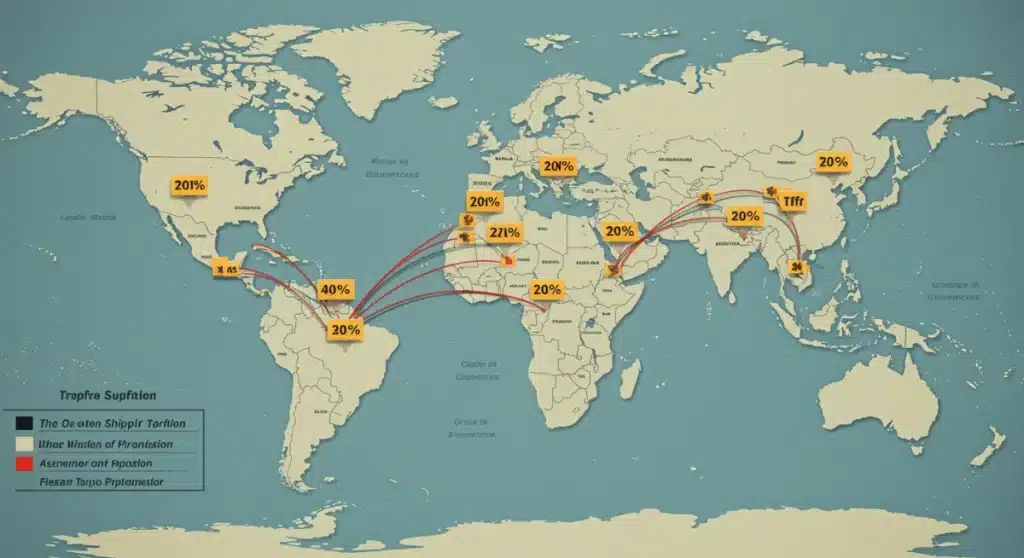
The global economic landscape is on the cusp of a significant shift as the United States prepares to implement new tariffs on 20% of imported goods from key trading partners, effective June 1. This bold move, part of a broader trade policy recalibration, is poised to send ripples across international markets, affecting everything from consumer prices to corporate supply chains. Understanding the nuances of these US New Tariffs is crucial for businesses, policymakers, and consumers alike as they navigate an increasingly complex global economic environment.
The announcement has sparked considerable debate and speculation regarding its potential impact. While proponents argue that the tariffs will protect domestic industries and create a more level playing field, critics warn of retaliatory measures, increased costs for consumers, and potential disruptions to global supply chains. This article aims to provide a comprehensive overview of the US New Tariffs, exploring their origins, the specific sectors likely to be affected, the anticipated economic consequences, and strategies for businesses to adapt.
Understanding the Rationale Behind the US New Tariffs
The decision to impose new tariffs is rarely made in a vacuum. It often stems from a combination of economic, political, and strategic considerations. In the case of these US New Tariffs, several factors appear to be at play. One primary driver is the desire to address perceived imbalances in trade relationships. The U.S. administration has consistently voiced concerns about trade deficits with certain countries, arguing that these deficits indicate unfair trade practices, subsidies, or intellectual property theft.
Another significant motivation is the push to bolster domestic manufacturing and job creation. By making imported goods more expensive, tariffs are intended to encourage consumers and businesses to purchase domestically produced alternatives. This protectionist approach aims to revitalize industries that have struggled against foreign competition, thereby strengthening the national industrial base and creating employment opportunities within the United States.
Furthermore, tariffs can be used as a bargaining chip in broader diplomatic and trade negotiations. By imposing tariffs, a country can exert pressure on its trading partners to concede on various issues, such as market access, regulatory standards, or geopolitical concerns. This strategic use of tariffs can be a powerful tool in international relations, but it also carries the risk of escalating trade disputes into full-blown trade wars.
Finally, national security considerations sometimes play a role. Tariffs can be imposed on goods deemed critical for national defense or essential infrastructure, with the aim of reducing reliance on foreign suppliers and ensuring a secure domestic supply. While the specific rationale for the current US New Tariffs may vary depending on the product category and trading partner, these underlying principles often form the bedrock of such trade policy decisions.
Which Goods and Partners Are Affected by the US New Tariffs?
The specificity of the US New Tariffs – targeting 20% of imported goods from “key partners” – is crucial. While a complete list of affected goods and countries is typically detailed in official government notices, early indications suggest that a broad range of sectors could be impacted. These include, but are not limited to, certain manufacturing components, consumer electronics, agricultural products, and raw materials.
The term “key partners” implies that the tariffs are not universally applied but are rather strategically directed at countries with whom the U.S. seeks to rebalance trade relations or address specific grievances. This targeted approach could lead to significant shifts in global supply chains as companies seek to mitigate the increased costs associated with importing from these specific nations. Businesses reliant on these particular goods or sourcing from these “key partners” will need to conduct thorough assessments of their current operations and explore alternative sourcing strategies.
The imposition of tariffs on such a substantial portion of imports from these partners is a clear signal of the U.S. administration’s intent to reshape its trade relationships. The impact will not be uniform; some industries may experience a significant burden, while others might see new opportunities arise domestically. Understanding the granular details of which Harmonized System (HS) codes are affected and from which countries is the first step for any business in assessing its exposure to the US New Tariffs.
Economic Implications of the US New Tariffs
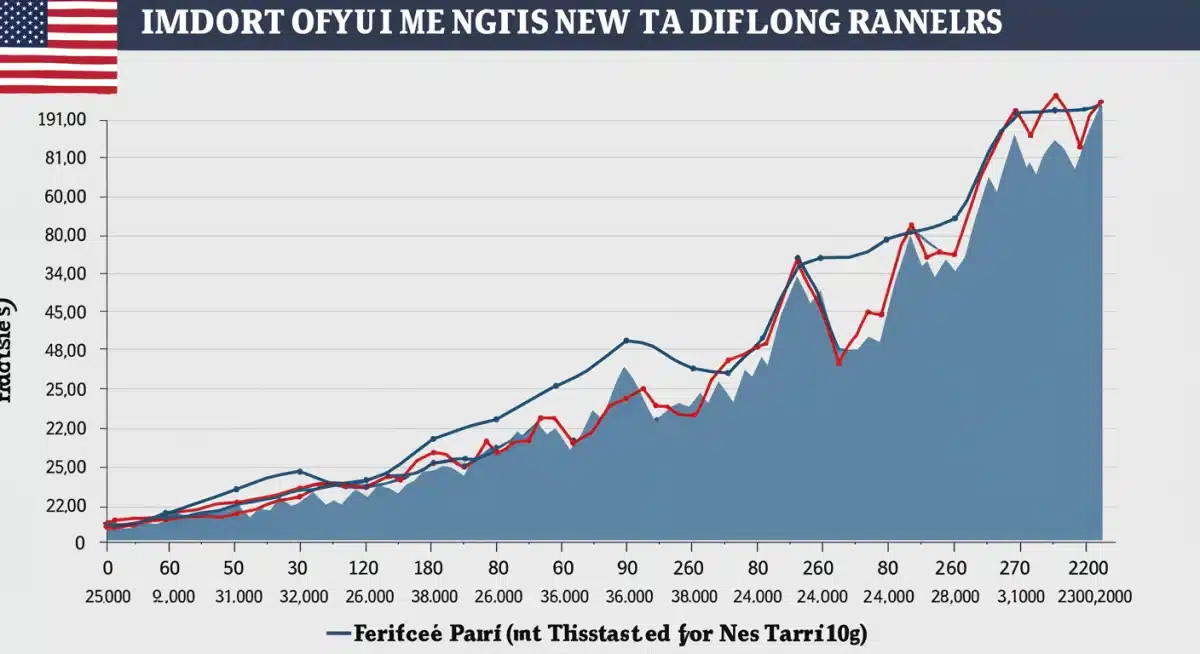
The economic implications of the US New Tariffs are multifaceted and could extend far beyond the immediate increase in import costs. Economists generally agree that tariffs can lead to higher prices for consumers, as the cost of the tariff is often passed down the supply chain. This could result in reduced purchasing power and a potential slowdown in consumer spending, impacting overall economic growth.
For businesses, the tariffs represent a direct increase in the cost of doing business if they rely on imported inputs from the affected countries. This could erode profit margins, force price increases, or necessitate a costly restructuring of supply chains. Companies may explore options such as reshoring production, diversifying their supplier base, or absorbing the tariff costs, each with its own set of challenges and financial implications.
Furthermore, there is a significant risk of retaliatory tariffs from affected trading partners. If “key partners” respond by imposing their own tariffs on U.S. exports, American industries that rely on international markets – particularly agriculture and certain manufacturing sectors – could face significant headwinds. Such a scenario could escalate into a trade war, with detrimental effects on global trade volumes, investment, and economic stability.
The tariffs could also impact global investment patterns. Companies might reconsider investing in countries that are embroiled in trade disputes, leading to a reallocation of capital and a potential shift in global manufacturing hubs. The uncertainty surrounding future trade policies can also deter long-term investment, as businesses become more cautious about committing resources in an unpredictable environment. The net effect on the U.S. economy, whether positive due to domestic industry growth or negative due to increased costs and reduced trade, will depend on a complex interplay of these factors and the responses of various stakeholders.
Industry-Specific Impacts and Responses to the US New Tariffs
The impact of the US New Tariffs will not be uniform across all industries. Some sectors are inherently more reliant on international supply chains or on imports from the specific “key partners” targeted by the tariffs. Understanding these industry-specific vulnerabilities and opportunities is crucial for effective strategic planning.
Manufacturing Sector
The manufacturing sector, particularly industries that rely heavily on imported components or raw materials, is likely to feel a significant crunch. Companies producing electronics, machinery, textiles, and automotive parts might face increased production costs, which could lead to higher prices for finished goods or a reduction in profit margins. Some manufacturers may explore reshoring production or seeking alternative domestic suppliers, which could create new opportunities for U.S.-based component manufacturers and raw material providers.
Retail and Consumer Goods
Retailers and consumer goods companies are also at the forefront of the impact. Many consumer products sold in the U.S. are imported, and the US New Tariffs will directly increase their landed cost. This could translate into higher prices for consumers, potentially affecting demand and sales volumes. Retailers might have to absorb some of the costs, negotiate with suppliers, or diversify their sourcing to non-tariffed countries to maintain competitive pricing.
Agriculture
While the initial tariffs might focus on industrial goods, the agricultural sector is particularly vulnerable to retaliatory tariffs. If “key partners” impose tariffs on U.S. agricultural exports, American farmers could see a significant drop in demand and prices for their products, impacting their livelihoods and the overall agricultural economy. This sector often becomes a pawn in trade disputes, experiencing the brunt of retaliatory measures.
Technology and Electronics
The technology and electronics industries are deeply intertwined with global supply chains, often relying on complex networks of specialized components from various countries. Tariffs on specific electronic components or finished goods could disrupt production schedules, increase costs for consumers, and potentially slow down innovation if companies are forced to re-engineer products or find new suppliers under pressure.
Logistics and Transportation
The logistics and transportation sectors will also experience shifts. While increased domestic production might boost internal freight, reduced international trade volumes due to tariffs or altered trade routes could impact shipping companies, ports, and freight forwarders. There might be a re-evaluation of shipping lanes and warehousing strategies to optimize for the new trade environment.
Each industry will need to conduct a detailed analysis of its specific exposure and develop tailored strategies to mitigate risks and capitalize on any emerging opportunities presented by the US New Tariffs.
Navigating the New Trade Landscape: Strategies for Businesses
In the face of the US New Tariffs, businesses must be proactive and strategic in their approach to minimize negative impacts and identify potential advantages. A reactive stance could lead to significant financial losses and competitive disadvantages. Here are several key strategies for businesses to consider:
1. Supply Chain Diversification and Re-evaluation
Perhaps the most immediate and critical strategy is to re-evaluate and diversify supply chains. Businesses heavily reliant on imports from the “key partners” targeted by tariffs should explore alternative sourcing options. This could involve shifting to suppliers in non-tariffed countries, identifying domestic suppliers, or even considering vertical integration. While diversification can be costly and time-consuming, it builds resilience against future trade shocks and reduces dependence on single points of failure.
2. Cost Analysis and Price Adjustments
Conduct a thorough cost analysis to understand the direct impact of the tariffs on your products and services. This involves calculating the increased cost of imported inputs and assessing how much of this cost can be absorbed, passed on to consumers, or mitigated through efficiency improvements. Transparent communication with customers about potential price adjustments may also be necessary.
3. Engage in Tariff Exclusion Processes
For specific products or components, businesses may have the option to apply for tariff exclusions. These processes, though often complex and competitive, can provide temporary relief from tariff duties if a compelling case can be made that the imported good is not available domestically or is essential for a specific industry. Staying informed about exclusion application deadlines and requirements is vital.
4. Explore Free Trade Agreements and Trade Programs
Businesses should review existing free trade agreements (FTAs) and special trade programs that might offer preferential treatment or duty-free access for certain goods. While the current tariffs target specific partners, leveraging other FTAs could provide avenues for sourcing or exporting that remain unaffected, or even become more competitive.
5. Invest in Domestic Production and Innovation
The US New Tariffs could create an incentive for businesses to invest in domestic production, automation, and innovation. By reducing reliance on imports, companies can mitigate tariff risks and potentially gain a competitive edge by offering “Made in USA” products. This long-term strategy requires significant capital investment but can lead to greater operational control and stability.
6. Monitor Trade Policy Developments
The trade policy landscape is dynamic. Businesses need to stay continuously informed about new tariff announcements, changes in trade regulations, and the outcomes of international trade negotiations. Subscribing to trade advisories, consulting with trade experts, and engaging with industry associations can help businesses anticipate changes and adapt their strategies accordingly.
7. Strengthen Relationships with Trading Partners
Even with tariffs in place, maintaining strong relationships with international trading partners, including those in affected countries, is important. These relationships can be crucial for navigating complex customs procedures, resolving disputes, and potentially identifying new avenues for collaboration or market entry once trade tensions subside.
8. Scenario Planning and Risk Management
Develop various scenario plans to assess the potential impact of different trade outcomes – from an escalation of trade disputes to a swift resolution. Incorporate these scenarios into your overall risk management framework to ensure your business is prepared for a range of possibilities.
By adopting a multi-faceted and proactive approach, businesses can better navigate the challenges posed by the US New Tariffs and position themselves for resilience and growth in the evolving global trade environment.
The Global Response and Future Outlook
The imposition of the US New Tariffs is not an isolated event; it is part of a complex global trade dynamic that often elicits responses from affected nations. The “key partners” targeted by these tariffs are unlikely to remain passive. Historical precedents suggest that retaliatory measures are a strong possibility, which could further complicate international trade relations and potentially lead to a trade war.
Retaliatory tariffs typically target goods that are politically sensitive or economically significant to the imposing country. For example, if the U.S. tariffs impact a key manufacturing sector in a partner country, that country might respond by placing tariffs on U.S. agricultural products or other exports, aiming to exert pressure on specific American industries and constituencies.
Beyond direct retaliation, there could be broader diplomatic and economic consequences. International organizations like the World Trade Organization (WTO) may see an increase in dispute settlement cases, although the effectiveness of these mechanisms can vary. Countries might also seek to form new trade alliances or strengthen existing ones to circumvent the impact of the tariffs, leading to a realignment of global trade blocs.
The long-term outlook is uncertain. While some argue that tariffs can eventually lead to fairer trade practices and a rebalancing of global economic power, others fear a fragmentation of the global economy, reduced efficiency, and slower overall growth. The success or failure of these US New Tariffs will depend on a multitude of factors, including the specific products and countries targeted, the duration of the tariffs, the responses of trading partners, and the overall resilience of the global economy.
Businesses, therefore, must not only adapt to the immediate challenges but also keep a keen eye on the evolving geopolitical and economic landscape. Predicting the exact trajectory of trade relations is difficult, but understanding the potential scenarios and preparing for them will be paramount for sustained success.

Conclusion: Adapting to a New Era of Trade Policy
The implementation of US New Tariffs on 20% of imported goods from key partners starting June 1 marks a significant juncture in global trade policy. This move, driven by a desire to address trade imbalances, protect domestic industries, and assert strategic leverage, is set to redefine supply chains, alter consumer costs, and test the resilience of international economic relationships. The ramifications will be felt across various sectors, from manufacturing and retail to agriculture and technology, demanding a sophisticated and adaptive response from businesses worldwide.
For companies, the imperative is clear: proactive engagement and strategic planning are no longer optional but essential for survival and growth. Diversifying supply chains, meticulously analyzing costs, pursuing tariff exclusions, and leveraging existing trade agreements are immediate steps that can mitigate risks. Simultaneously, a long-term vision that considers investment in domestic production, continuous monitoring of trade policy developments, and fostering strong international relationships will be critical for navigating this new era.
The global response to these tariffs will be a defining factor in their ultimate impact. The potential for retaliatory measures and the realignment of trade alliances underscore the volatility of the current environment. As the world watches how these policies unfold, businesses that demonstrate agility, foresight, and a deep understanding of the intricate dynamics of global trade will be best positioned to thrive amidst uncertainty. The US New Tariffs are not merely a policy change; they are a catalyst for a fundamental re-evaluation of how goods are produced, sourced, and consumed on a global scale.