Energy Market Outlook 2025: Oil Price Fluctuation Forecast
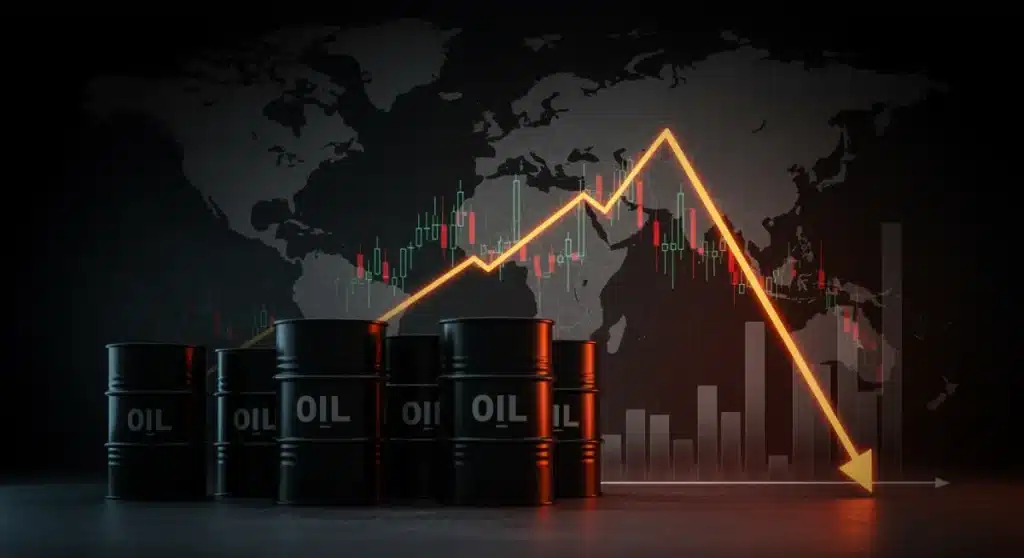
The 2025 energy market outlook indicates a potential 10% fluctuation in oil prices next quarter, influenced by geopolitical shifts, evolving supply-demand balances, and critical global economic indicators, necessitating vigilant monitoring.
The energy market outlook 2025 is poised for significant shifts, with experts predicting a potential 10% fluctuation in oil prices next quarter. This isn’t just a number; it reflects a complex interplay of global events, economic forces, and strategic decisions that will impact everything from consumer costs to national economies. Understanding these dynamics is crucial for anyone navigating the current financial landscape.
Geopolitical Tensions and Their Impact on Oil Supply
Geopolitical tensions remain a primary driver of volatility in the global oil market. Conflicts and political instability in key oil-producing regions can disrupt supply chains, reduce production capacity, and trigger speculative trading, all contributing to price swings. The ripple effects of these events are often felt globally, making them a critical factor in any energy market forecast.
Recent developments in the Middle East and Eastern Europe, for instance, have underscored how quickly regional issues can escalate into global energy concerns. These situations introduce an element of uncertainty that is difficult to quantify but impossible to ignore when projecting future oil prices.
Key Geopolitical Hotspots
- Middle East Instability: Ongoing conflicts and political disagreements in the Persian Gulf region, a major oil production hub, directly threaten crude oil transit routes and production facilities.
- Eastern European Conflicts: The protracted conflict in Eastern Europe continues to reshape energy alliances and trade routes, impacting natural gas and oil supplies to Europe.
- Sanctions and Trade Wars: International sanctions against oil-producing nations can remove significant volumes from the market, while trade disputes between major economies can dampen demand.
The potential for sudden supply disruptions due to these geopolitical factors keeps the market on edge. Any perceived threat to crude oil flow can lead to immediate price surges, as traders react to the possibility of reduced availability. Conversely, de-escalation can bring prices down, illustrating the market’s sensitivity to political landscapes. Investors and policymakers alike must closely monitor these regions for early indicators of potential shifts.
Ultimately, geopolitical events inject an unpredictable element into the energy market. Their capacity to swiftly alter supply dynamics means that they will continue to be a dominant force in determining oil price fluctuations, making them a central consideration for the 2025 outlook.
Global Economic Growth and Demand Projections
The health of the global economy is inextricably linked to oil demand. As economies grow, industrial activity increases, transportation expands, and consumer spending rises, all of which translate into higher energy consumption. Conversely, economic slowdowns or recessions can significantly dampen demand, leading to downward pressure on oil prices.
Forecasting global economic growth for 2025 involves navigating a multitude of indicators, from inflation rates and interest rate policies to consumer confidence and manufacturing output. Major economies like the United States, China, and the Eurozone play a particularly crucial role, as their economic performance has widespread implications for global energy consumption patterns.
Major Economic Influencers
- Inflation and Interest Rates: Central bank policies aimed at curbing inflation can slow economic activity, potentially reducing energy demand.
- China’s Economic Performance: As the world’s largest oil importer, China’s growth trajectory significantly influences global demand. Any slowdown there can have a substantial impact.
- Developed Economies’ Resilience: The ability of major developed nations to sustain growth amidst various challenges will be key to maintaining robust oil demand.
The interplay between these economic factors creates a complex picture for demand projections. For instance, strong economic recovery in one region might be offset by stagnation in another, leading to a nuanced global demand scenario. Analysts are closely watching manufacturing Purchasing Managers’ Index (PMI) data, retail sales figures, and employment reports for clues about future economic vitality.
Moreover, the pace of the energy transition also subtly influences demand. While not yet a dominant factor for short-term oil demand, increasing adoption of electric vehicles and renewable energy sources could gradually temper demand growth over the longer term. For 2025, however, traditional economic drivers will likely remain the primary determinants of oil consumption trends.
Supply-Side Dynamics: OPEC+ Decisions and Non-OPEC Production
The supply side of the oil market is a delicate balance between the strategic decisions of OPEC+ and the independent production levels of non-OPEC countries. OPEC+, a coalition of oil-exporting nations, holds significant sway over global supply through its production quotas, often aiming to stabilize prices and ensure market equilibrium. Their collective actions can either tighten the market, leading to higher prices, or loosen it, causing prices to fall.
Meanwhile, non-OPEC producers, particularly the United States with its shale oil industry, contribute substantially to global supply. Their production levels are primarily driven by market prices and technological advancements, rather than coordinated policy decisions. The interplay between these two forces creates a dynamic and often unpredictable supply landscape.
Key Supply Factors
- OPEC+ Production Cuts: Decisions by OPEC+ to reduce output can significantly impact global availability, often leading to upward price pressure.
- US Shale Oil Output: The responsiveness of US shale producers to higher prices, and their ability to quickly ramp up production, can act as a natural ceiling for oil prices.
- New Discoveries and Investment: Long-term supply is influenced by new oil field discoveries and investment in exploration and production, though these have a delayed impact on short-term supply.
Recent OPEC+ meetings have highlighted internal disagreements and varying national interests, which can complicate their ability to present a unified front. These internal dynamics can lead to unexpected policy shifts that catch the market off guard. For example, a surprise increase in production by a key member could quickly flood the market, pushing prices down.
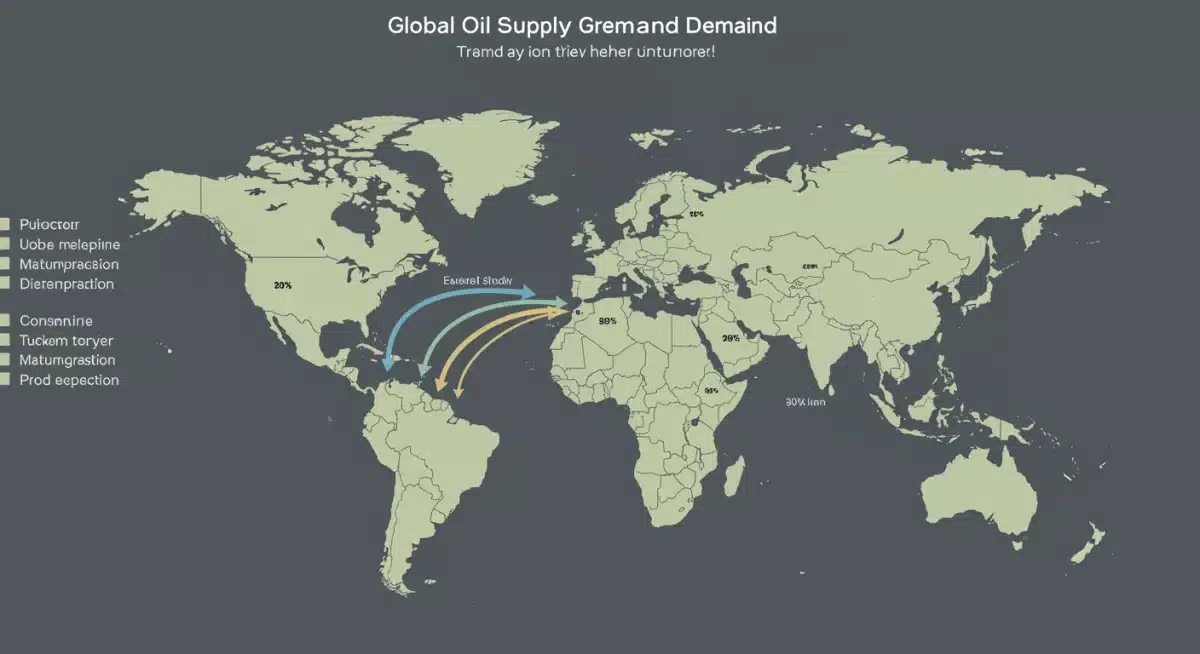
On the non-OPEC side, the resilience of US shale production continues to be a major factor. Advances in drilling technology have made it more cost-effective to extract oil, allowing producers to respond more swiftly to price signals. This flexibility in non-OPEC supply can act as a buffer against OPEC+ cuts, preventing extreme price spikes. Understanding the intentions and capabilities of both OPEC+ and non-OPEC producers is essential for predicting the future trajectory of oil prices.
Strategic Petroleum Reserves and Market Intervention
Strategic Petroleum Reserves (SPRs) are emergency stockpiles of crude oil maintained by various governments, primarily to mitigate the impact of supply disruptions. These reserves can be released into the market during crises, such as geopolitical conflicts or natural disasters, to stabilize prices and ensure an adequate supply of oil. The decision to tap into SPRs is a significant market intervention that can have immediate and noticeable effects on global oil prices.
Governments use SPRs as a tool to manage energy security and to cushion their economies from volatile oil markets. While releases are typically reserved for emergencies, they can also be used to counter sustained periods of high prices, especially when domestic economic stability is at risk. The timing and volume of such releases are closely watched by traders and analysts.
Impact of SPR Releases
- Short-term Price Relief: Releasing oil from SPRs immediately increases market supply, which typically leads to a temporary reduction in prices.
- Market Sentiment Influence: Such interventions can signal government concern over energy costs, potentially influencing speculative trading and broader market sentiment.
- Diplomatic Tool: Coordinated SPR releases among allied nations can be a diplomatic tool to exert pressure on oil-producing countries or to collectively address supply shortages.
The effectiveness of SPR releases can vary. While they can provide immediate relief, their impact might be short-lived if underlying supply-demand imbalances persist. For example, a large SPR release might temporarily lower prices, but if geopolitical tensions continue to threaten production, prices could rebound once the initial influx of oil is absorbed by the market.
The strategic use of these reserves adds another layer of complexity to the energy market outlook. Decisions to draw down or replenish SPRs are often politically charged and can create significant market ripples. Monitoring government statements and international agreements regarding these reserves is crucial for understanding potential market interventions and their subsequent effects on oil prices.
The Role of Energy Transition and Renewables
While often seen as a long-term trend, the energy transition towards renewables is beginning to exert a subtle but growing influence on the oil market, even in the short to medium term. Increased investment in solar, wind, and other clean energy technologies, coupled with the rapid adoption of electric vehicles (EVs), is gradually altering the global energy mix and, consequently, future oil demand projections.
For 2025, the direct impact on total oil demand might still be limited, but the accelerating pace of transition creates uncertainty for long-term oil investments. This uncertainty can affect the willingness of companies to fund new exploration and production projects, which in turn could influence future supply capabilities.
Transition Impact on Oil
- EV Adoption: The steady growth in electric vehicle sales, particularly in major automotive markets, is slowly eroding demand for gasoline and diesel.
- Renewable Energy Growth: Expansion of renewable energy sources for electricity generation reduces the need for oil in power plants, especially in regions with high grid decarbonization targets.
- Policy and Regulations: Government policies promoting decarbonization, such as carbon pricing and emissions standards, incentivize a shift away from fossil fuels.
The energy transition also impacts investor sentiment. As the world moves towards a lower-carbon future, traditional fossil fuel assets may be viewed as increasingly risky. This can lead to divestment from oil and gas projects, potentially limiting capital available for maintaining or expanding production, particularly for projects with longer lead times.
While oil will remain a dominant energy source for the foreseeable future, the narrative around its long-term viability is shifting. This evolving perception, driven by environmental concerns and technological advancements in renewables, introduces a new dimension to oil price forecasting. For 2025, its influence might be more about shaping investment decisions and long-term supply expectations rather than immediate demand destruction.
Currency Fluctuations and Speculative Trading
Oil is primarily traded in US dollars, making its price inherently linked to the strength of the dollar. A stronger dollar makes oil more expensive for countries using other currencies, potentially dampening demand. Conversely, a weaker dollar can make oil cheaper, stimulating demand and potentially pushing prices higher. This inverse relationship is a constant factor in oil market analysis.
Beyond currency dynamics, speculative trading plays a significant role in short-term price movements. Financial traders buy and sell oil futures contracts based on their expectations of future prices, often amplifying market trends. Large-scale speculative activity can create momentum that pushes prices beyond what fundamental supply and demand factors alone might suggest.
Financial Market Influences
- US Dollar Index: Movements in the DXY index, which measures the dollar’s value against a basket of major currencies, directly impact oil’s purchasing power globally.
- Hedge Fund Activity: Positions taken by large hedge funds and institutional investors in oil futures can signal market sentiment and drive price trends.
- Algorithmic Trading: High-frequency trading algorithms can react almost instantaneously to news and data, contributing to rapid price fluctuations.
The psychological aspect of trading is also crucial. Market fear or euphoria, often fueled by news headlines or economic data, can lead to herd behavior among traders, causing prices to overshoot or undershoot their fundamental values. This speculative overlay means that oil prices don’t always perfectly reflect the physical supply and demand balance.
Furthermore, global interest rate differentials and central bank policies can influence capital flows, impacting currency valuations and, by extension, oil prices. A country with higher interest rates might attract more foreign investment, strengthening its currency and making dollar-denominated oil relatively more expensive for its citizens. Understanding these financial market complexities is vital for comprehending the full spectrum of factors influencing oil price volatility.
| Key Factor | Brief Description |
|---|---|
| Geopolitical Tensions | Conflicts in key regions disrupt supply, causing price volatility. |
| Global Economic Growth | Economic strength drives demand; slowdowns reduce consumption. |
| OPEC+ Decisions | Production quotas directly impact global oil supply levels. |
| Currency Fluctuations | US dollar strength affects oil’s cost for international buyers. |
Frequently Asked Questions About the 2025 Energy Market
A 10% oil price fluctuation is anticipated due to a combination of factors including ongoing geopolitical instability in oil-producing regions, uncertain global economic growth forecasts, and potential shifts in OPEC+ production policies, all contributing to market volatility.
Geopolitical events, such as conflicts or political crises in key oil-producing areas, can disrupt supply lines and production, leading to immediate market uncertainty and speculative trading, which typically drives prices upward as supply fears intensify.
Robust global economic growth usually translates to increased industrial activity, transportation, and consumer spending, all of which boost oil demand. Conversely, an economic slowdown can significantly reduce consumption, putting downward pressure on prices.
While the direct impact on short-term oil demand is still limited, the accelerating shift towards renewables and electric vehicles creates long-term uncertainty for oil investments, potentially influencing capital allocation and future supply capabilities, thus indirectly affecting prices.
Since oil is predominantly traded in US dollars, a stronger dollar makes oil more expensive for international buyers using other currencies, which can suppress demand. Conversely, a weaker dollar makes oil cheaper, potentially stimulating demand and pushing prices higher.
Conclusion
The 2025 energy market outlook points to a dynamic period for oil prices, with a projected 10% fluctuation next quarter driven by a confluence of complex factors. Geopolitical instability, the nuanced dance of global economic growth, and the strategic decisions of major oil producers like OPEC+ will continue to shape supply and demand. Furthermore, the subtle yet growing influence of the energy transition and the ever-present impact of currency fluctuations and speculative trading add layers of complexity. Navigating this volatile landscape requires continuous monitoring and a deep understanding of these interconnected forces, as they collectively determine the future trajectory of global energy costs.