Navigating the 2026 Medicare Premium Adjustments: A Comprehensive Guide

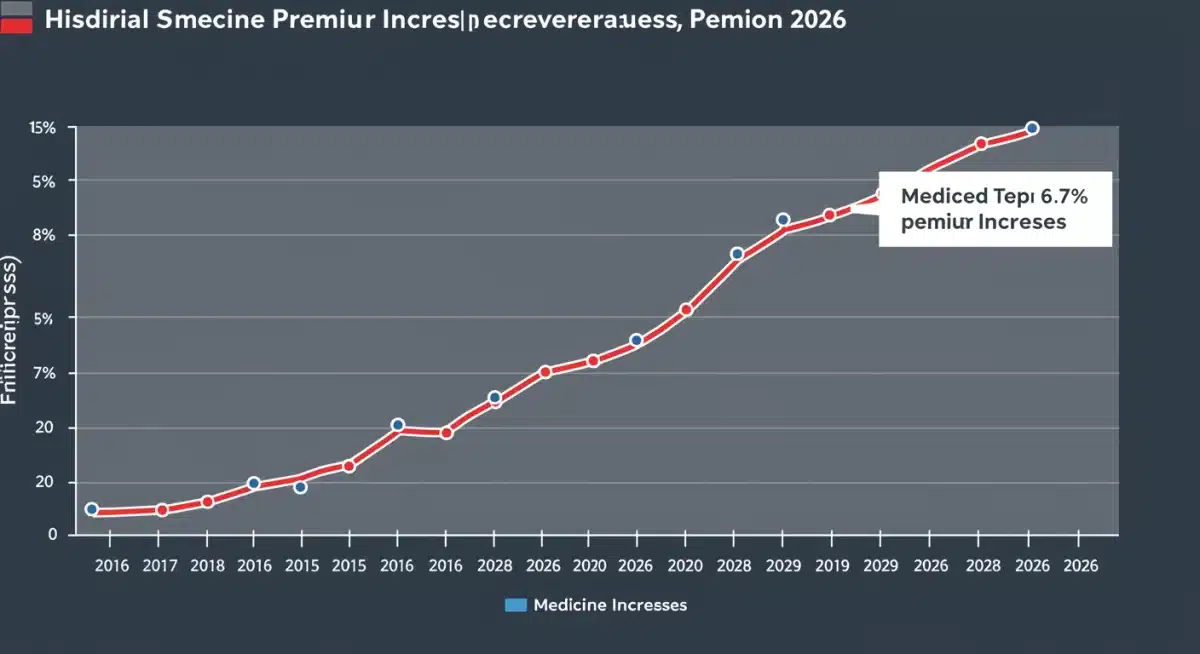
Understanding the intricacies of healthcare costs, especially as we age, is paramount for financial stability and peace of mind. For millions of Americans, Medicare is a cornerstone of their healthcare coverage. However, like all large-scale programs, Medicare is subject to periodic adjustments, and the year 2026 is shaping up to be a pivotal one. Recent projections indicate that beneficiaries could face a significant 6.7% increase in their Medicare premiums. These Medicare premium adjustments are not just numbers on a spreadsheet; they represent real financial implications for seniors and individuals with disabilities who rely on this vital program.
This comprehensive guide delves into the projected 2026 Medicare premium adjustments, exploring the underlying factors driving these changes, their potential impact on your budget, and actionable strategies you can employ to prepare and mitigate the financial strain. Our goal is to equip you with the knowledge needed to navigate these upcoming changes effectively, ensuring your healthcare remains affordable and accessible.
The Landscape of Medicare: Why Premium Adjustments Occur
To fully grasp the significance of the 2026 Medicare premium adjustments, it’s essential to understand the fundamental structure of Medicare and the various factors that influence its costs. Medicare is divided into several parts, each covering different services and having its own premium structure:
- Medicare Part A (Hospital Insurance): Primarily covers inpatient hospital stays, skilled nursing facility care, hospice care, and some home health care. Most people don’t pay a monthly premium for Part A if they or their spouse paid Medicare taxes through employment for a specified period.
- Medicare Part B (Medical Insurance): Covers doctor’s services, outpatient care, medical supplies, and preventive services. This is the part of Medicare for which most beneficiaries pay a monthly premium. The projected 6.7% increase primarily concerns Part B premiums.
- Medicare Part C (Medicare Advantage): An alternative to Original Medicare (Parts A and B) offered by private companies approved by Medicare. These plans must cover everything Original Medicare covers and often include additional benefits like vision, dental, and prescription drug coverage. Premiums for Part C plans vary widely.
- Medicare Part D (Prescription Drug Coverage): Helps cover the cost of prescription drugs. It’s offered by private insurance companies approved by Medicare. Premiums for Part D plans also vary.
The Medicare premium adjustments, particularly for Part B, are influenced by a complex interplay of economic, demographic, and healthcare-specific factors. These include:
Rising Healthcare Costs and Utilization
One of the primary drivers of premium increases is the ever-escalating cost of healthcare services. Advances in medical technology, new prescription drugs, and increased utilization of services all contribute to higher expenditures. When the overall cost of providing medical care rises, Medicare’s expenses increase, which is often reflected in higher premiums for beneficiaries.
Inflation and Economic Factors
General economic inflation also plays a significant role. As the cost of goods and services across the economy increases, so too does the cost of medical supplies, administrative services, and labor within the healthcare sector. These inflationary pressures inevitably trickle down to affect Medicare premiums. The projected 6.7% increase for 2026 is likely a reflection of broader inflationary trends observed in recent years.
Increased Enrollment and Demographic Shifts
The aging of the baby boomer generation means a growing number of individuals are enrolling in Medicare each year. While this is a testament to longer lifespans, it also places greater demand on the Medicare system. A larger beneficiary pool, coupled with increasing healthcare needs as people age, contributes to the overall financial strain on the program, necessitating Medicare premium adjustments.
Changes in Medicare’s Financial Solvency
Medicare’s financial health is constantly monitored by the Board of Trustees. Their annual reports provide insights into the program’s solvency and project future expenditures and revenues. When projections indicate a shortfall or an accelerated depletion of trust funds, adjustments to premiums, deductibles, and other cost-sharing mechanisms are often considered to ensure the program’s long-term viability. The 2026 premium increase could be a proactive measure to address these long-term financial projections.
Legislative and Policy Changes
Government policies and legislative actions can also directly impact Medicare premiums. Changes to reimbursement rates for providers, new covered services, or modifications to how premiums are calculated can all lead to significant adjustments. While no specific legislative changes directly dictating a 6.7% increase have been announced, broader healthcare policy discussions always have the potential to influence future premium structures.
Understanding the 6.7% Increase: What It Means for Your Budget
A 6.7% increase in Medicare premiums, particularly for Part B, is not a negligible amount. To put this into perspective, let’s consider a hypothetical scenario. If the current standard Part B premium is, for example, $174.70 per month (the standard premium for 2024), a 6.7% increase would add approximately $11.70 to that amount, bringing the new premium to around $186.40 per month. Over a year, this translates to an additional cost of nearly $140 for just Part B premiums. For individuals on fixed incomes, such an increase can significantly impact their monthly budget.
It’s also crucial to remember that this projected increase primarily affects Part B. However, increases in Part B often have ripple effects on other aspects of Medicare:
- Medicare Advantage (Part C) Plans: While many Medicare Advantage plans offer a $0 premium, some charge a separate plan premium in addition to the Part B premium. An increase in Part B premiums means a higher overall cost even for those with $0 premium Advantage plans.
- Medicare Supplement (Medigap) Plans: Medigap plans help cover out-of-pocket costs in Original Medicare, such as deductibles, copayments, and coinsurance. While Medigap premiums are separate and set by private insurers, the overall rising cost of healthcare and Medicare’s financial adjustments can indirectly influence Medigap premium increases in subsequent years.
- Medicare Part D (Prescription Drug Plans): Part D premiums are also separate, but the general trend of rising healthcare costs can lead to higher average Part D premiums as well.
Income-Related Monthly Adjustment Amount (IRMAA)
For higher-income beneficiaries, the impact of Medicare premium adjustments can be even more pronounced due to the Income-Related Monthly Adjustment Amount (IRMAA). IRMAA is an extra charge added to your Part B and Part D premiums if your modified adjusted gross income (MAGI) exceeds certain thresholds. These thresholds are adjusted annually, but a general increase in the base Part B premium means that IRMAA charges will also be calculated based on a higher starting point, leading to a larger total premium for those affected.
The thresholds for IRMAA are typically based on your tax return from two years prior. So, for 2026 premiums, your 2024 income would be considered. It’s vital for higher-income earners to be aware of these thresholds and how the base premium increase will amplify their total Medicare costs.
Strategies to Prepare for the 2026 Medicare Premium Adjustments
While the prospect of higher premiums can be concerning, there are proactive steps you can take to prepare for the 2026 Medicare premium adjustments and potentially mitigate their impact on your finances. Effective planning involves reviewing your current coverage, exploring alternatives, and optimizing your financial strategies.
1. Review Your Current Medicare Coverage Annually
The Medicare Annual Enrollment Period (AEP), which typically runs from October 15th to December 7th, is your opportunity to review and change your Medicare coverage. This becomes even more critical in years with significant premium adjustments. During AEP, you can:
- Switch from Original Medicare to Medicare Advantage: If you’re currently on Original Medicare, you might find a Medicare Advantage plan that offers comparable benefits at a lower overall cost, or includes additional benefits that are valuable to you.
- Switch from Medicare Advantage to Original Medicare: Conversely, if your Medicare Advantage plan’s premiums or out-of-pocket costs are increasing, or if your plan’s network no longer suits your needs, returning to Original Medicare might be a better option.
- Change Medicare Advantage Plans: Even if you prefer Medicare Advantage, different plans within your area may offer better value or more suitable benefits.
- Change Part D Plans: Prescription drug plans change their formularies (list of covered drugs) and cost-sharing annually. Reviewing your Part D plan is crucial to ensure your medications are still covered at the most affordable rates.
Don’t wait until the last minute. Start reviewing your options as soon as information about the 2026 plans becomes available.
2. Budgeting and Financial Planning
Incorporating the projected Medicare premium adjustments into your long-term financial planning is essential. If you’re still working, consider increasing your savings. If you’re retired and on a fixed income, look for areas where you might be able to adjust other expenses to accommodate the increase. A financial advisor specializing in retirement planning can offer personalized guidance.
3. Explore Assistance Programs
For individuals with limited income and resources, several government programs can help with Medicare costs:
- Medicare Savings Programs (MSPs): These state-run programs can help pay for Part A and/or Part B premiums, deductibles, coinsurance, and copayments. There are different types of MSPs, each with varying income and resource limits.
- Extra Help (Low-Income Subsidy) for Part D: This federal program helps pay for Medicare Part D prescription drug plan premiums, deductibles, and copayments.
It’s worth investigating if you qualify for any of these programs, as they can significantly reduce your out-of-pocket healthcare expenses, especially in the face of rising premiums.
4. Optimize Your Healthcare Usage
While not directly related to premium increases, optimizing your healthcare usage can help manage overall costs. This includes:
- Utilizing Preventive Services: Medicare covers many preventive services at no cost. Taking advantage of these can help detect health issues early, potentially preventing more costly treatments down the line.
- Choosing In-Network Providers: If you have a Medicare Advantage plan, staying within your plan’s network can prevent higher out-of-pocket costs.
- Generic vs. Brand-Name Drugs: Always ask your doctor if a generic alternative is available for your prescriptions, as generics are typically much cheaper.
- Understanding Your Benefits: Be clear about what your plan covers and your cost-sharing responsibilities for different services.
5. Consider Health Savings Accounts (HSAs)
If you’re under 65 and enrolled in a high-deductible health plan (HDHP) that is HSA-eligible, you can contribute to an HSA. These accounts offer a triple tax advantage: contributions are tax-deductible, earnings grow tax-free, and withdrawals for qualified medical expenses are tax-free. Once you enroll in Medicare, you can no longer contribute to an HSA, but you can continue to use the funds tax-free for qualified medical expenses, including Medicare premiums (excluding Medigap premiums).
For those approaching Medicare eligibility, maximizing HSA contributions can create a valuable tax-advantaged fund to help cover future healthcare costs, including the projected Medicare premium adjustments.

The Future of Medicare and Long-Term Outlook
The projected 2026 Medicare premium adjustments are part of a larger, ongoing conversation about the long-term sustainability of the Medicare program. Policymakers and healthcare experts are continually evaluating potential reforms to ensure Medicare can continue to serve future generations. These discussions often involve:
- Cost Containment Measures: Efforts to control the rising costs of healthcare services, including negotiating drug prices, promoting value-based care, and reducing administrative waste.
- Revenue Generation: Exploring options to increase Medicare’s funding, such as adjustments to payroll taxes or other revenue streams.
- Program Modernization: Adapting Medicare to address evolving healthcare needs, including the integration of new technologies and a greater focus on chronic disease management and preventive care.
While these broader discussions are complex and long-term, understanding them provides context for why short-term premium adjustments like the 6.7% increase become necessary. It underscores the importance of staying informed about Medicare policy changes and actively participating in your healthcare planning.
Conclusion: Proactive Planning for Your Healthcare Future
The projected 6.7% increase in Medicare premium adjustments for 2026 serves as a timely reminder that healthcare costs are dynamic and require ongoing attention. While the news of rising premiums might be unsettling, it’s an opportunity to take proactive steps to safeguard your financial well-being and ensure continued access to quality healthcare. By understanding the reasons behind these adjustments, reviewing your current coverage, exploring assistance programs, and engaging in diligent financial planning, you can effectively navigate the evolving landscape of Medicare.
Don’t wait for the changes to take effect. Start your review process now, consult with trusted advisors, and empower yourself with the knowledge to make informed decisions about your Medicare coverage. Your health and financial security are too important to leave to chance.