The 2026 Farm Bill Debate: Key Provisions and Agricultural Subsidies Explained
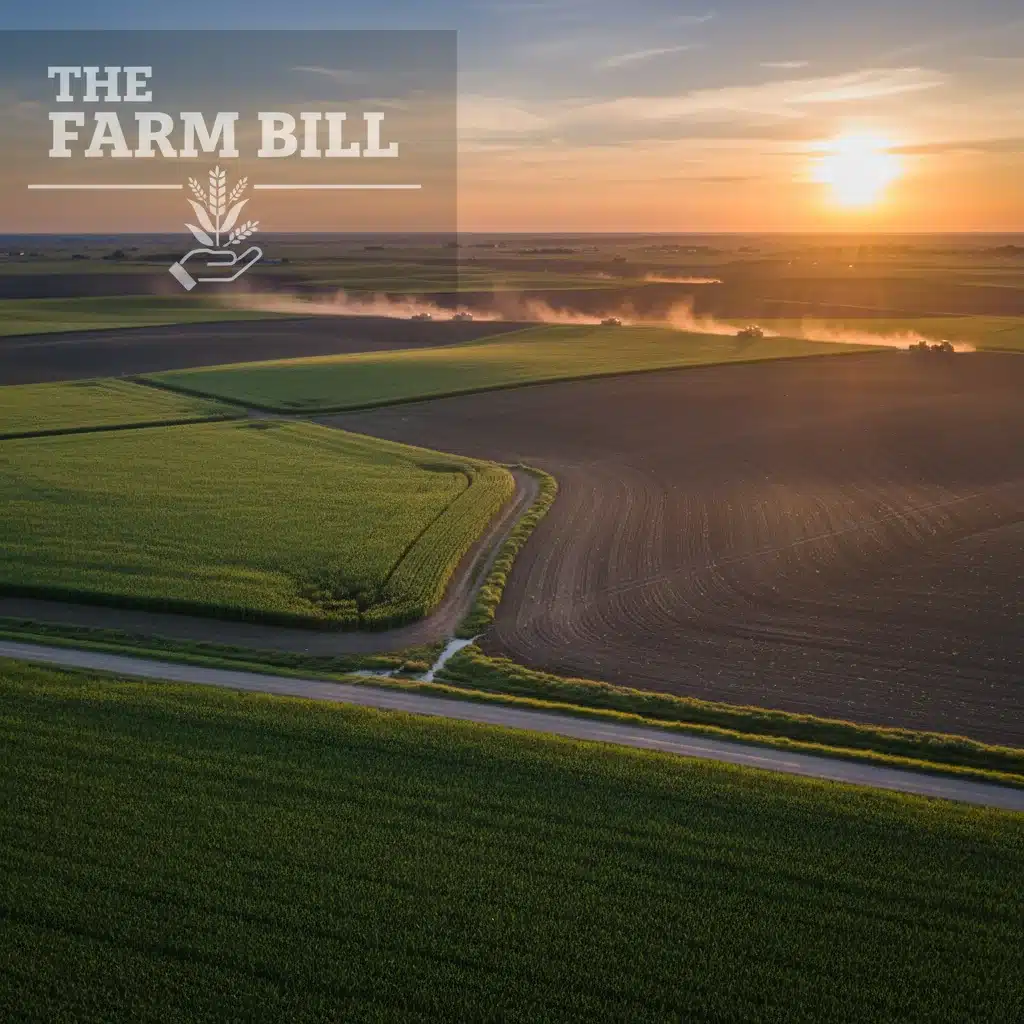
The agricultural landscape of the United States is perennially shaped by a monumental piece of legislation known as the Farm Bill. Enacted roughly every five years, this comprehensive package dictates everything from commodity subsidies and crop insurance to conservation efforts, food assistance, and rural development programs. As the current legislation approaches its expiration, all eyes are turning towards the impending 2026 Farm Bill debate. This upcoming iteration promises to be as contentious and impactful as its predecessors, with stakeholders from across the agricultural spectrum, environmental groups, and consumer advocates vying to influence its final shape. Understanding the key provisions under discussion and their potential impact on agricultural subsidies is crucial for anyone invested in the future of American food and farming.
The Farm Bill is not merely a collection of agricultural policies; it is a sprawling legislative behemoth that touches the lives of every American. It directly influences the cost of food, the health of rural communities, the sustainability of our natural resources, and the competitiveness of U.S. agriculture on a global scale. The 2026 Farm Bill will be negotiated against a backdrop of evolving challenges, including climate change, increasing global food demand, supply chain vulnerabilities, and persistent economic pressures on farmers. The discussions leading up to its passage will undoubtedly be complex, reflecting the diverse and often conflicting interests at play. This article aims to unpack the core components of this vital legislation, highlight the major points of contention, and explore the potential implications for agricultural subsidies and beyond.
Understanding the Farm Bill: A Brief Overview
Before delving into the specifics of the 2026 Farm Bill, it’s important to grasp the foundational structure and purpose of this legislation. The Farm Bill is an omnibus bill, meaning it encompasses a wide array of programs and policies. While often associated primarily with farm support, a significant portion of its funding is allocated to nutrition programs, particularly the Supplemental Nutrition Assistance Program (SNAP), formerly known as food stamps. The bill’s origins can be traced back to the Great Depression, designed to stabilize agricultural markets, support farmer incomes, and ensure a reliable food supply for the nation.
Over the decades, the Farm Bill has evolved considerably, adapting to changing agricultural practices, economic conditions, and societal priorities. Its major titles typically include:
- Commodity Programs: These provide direct payments and price support to producers of staple crops like corn, soybeans, wheat, cotton, and rice, acting as a safety net against market fluctuations and natural disasters.
- Crop Insurance: A critical risk management tool, crop insurance helps farmers mitigate losses from adverse weather, pests, and market price declines. The federal government subsidizes a significant portion of the premiums.
- Conservation: Programs promoting environmental stewardship, soil health, water quality, and wildlife habitat on agricultural lands.
- Nutrition: The largest portion of Farm Bill spending, primarily funding SNAP, but also including other food assistance programs.
- Credit: Provides loans and guarantees to farmers, particularly those who are beginning, socially disadvantaged, or facing financial hardship.
- Rural Development: Supports infrastructure, economic development, and quality of life improvements in rural areas.
- Horticulture & Organic Agriculture: Programs supporting specialty crops, farmers markets, and organic farming practices.
- Research: Funding for agricultural research, extension services, and education.
- Forestry: Programs related to forestry management and conservation.
- Energy: Support for renewable energy development and bio-based products in rural areas.
Each of these titles represents a complex web of programs and regulations, all subject to review and revision in the lead-up to the 2026 Farm Bill. The interplay between these titles often leads to intense negotiations, as changes in one area can have ripple effects across the entire agricultural system.
Key Provisions Under Discussion for the 2026 Farm Bill
As the debate for the 2026 Farm Bill heats up, several key areas are emerging as central to the discussions. These provisions represent not only the core functions of the bill but also the most significant points of contention among various stakeholders. Understanding these specific areas is vital for anticipating the final structure of the legislation.
Reforming Commodity Programs and Agricultural Subsidies
At the heart of every Farm Bill lies the debate over commodity programs and agricultural subsidies. These programs are designed to provide a safety net for farmers, protecting them from volatile market prices and catastrophic weather events. However, they are also frequently criticized for their cost, their perceived disproportionate benefit to large farms, and their potential to distort market signals. For the 2026 Farm Bill, there is significant discussion around:
- Reference Prices: These are benchmark prices used to trigger commodity program payments. Many farmer groups are advocating for an increase in reference prices to better reflect current production costs and provide a more robust safety net amidst rising input costs and inflation. This is a crucial element for the financial stability of many farmers.
- Payment Limits: Critics often point to the current payment limits, arguing that they allow large agricultural operations to receive substantial government support, potentially at the expense of smaller or mid-sized farms. There’s a push from some quarters to lower these limits or implement stricter eligibility criteria to ensure a more equitable distribution of subsidies.
- Stacked Subsidies: The interaction between commodity programs, crop insurance, and disaster assistance can sometimes lead to situations where farms receive multiple layers of government support. The 2026 Farm Bill discussions will likely examine ways to streamline these programs, prevent excessive payments, and ensure that support is targeted where it’s most needed.
- Crop Insurance Reform: While widely supported, the federal crop insurance program is also a significant expenditure. Debates will likely center on premium subsidies, the types of crops covered, and whether the program adequately serves specialty crop producers or those adopting climate-smart practices.
The balance between providing an adequate safety net for farmers and ensuring fiscal responsibility will be a central tension in the 2026 Farm Bill negotiations. The goal is to create a system that supports agricultural viability without creating undue market distortions or excessive taxpayer burden.
Conservation and Climate-Smart Agriculture
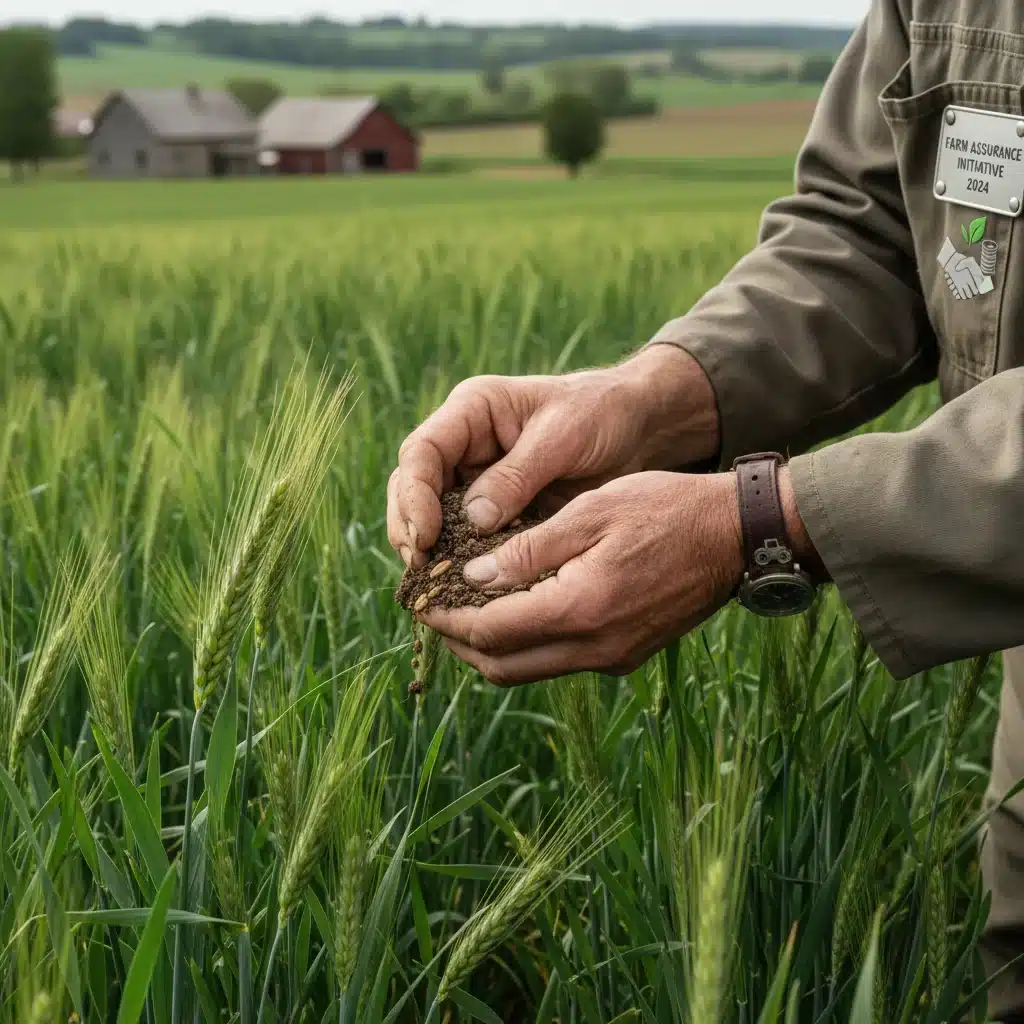
With increasing awareness of climate change and environmental degradation, conservation programs are expected to play an even more prominent role in the 2026 Farm Bill. There’s a strong push to expand funding and incentives for practices that sequester carbon, improve soil health, conserve water, and enhance biodiversity. Key considerations include:
- Increased Funding for Existing Programs: Programs like the Environmental Quality Incentives Program (EQIP) and the Conservation Stewardship Program (CSP) are highly popular but often oversubscribed. Advocates are pushing for significant increases in their funding to meet farmer demand for conservation assistance.
- New Climate-Smart Initiatives: The Inflation Reduction Act (IRA) provided a substantial boost to Farm Bill conservation programs. The 2026 Farm Bill will likely explore how to integrate and formalize these climate-focused investments, potentially creating new programs or expanding existing ones with a specific emphasis on climate resilience and mitigation.
- Technical Assistance: Farmers often need expert guidance to implement complex conservation practices. The bill will likely address the need for increased technical assistance from the Natural Resources Conservation Service (NRCS) and other partners.
- Linking Conservation to Subsidies: Some proposals suggest linking eligibility for certain commodity payments or crop insurance subsidies to the adoption of specific conservation practices. This controversial idea aims to incentivize environmental stewardship more broadly.
The environmental title of the 2026 Farm Bill is a crucial battleground for balancing agricultural productivity with ecological sustainability, reflecting a growing national and global imperative.
Nutrition Programs and Food Security
While often overshadowed by agricultural subsidies, nutrition programs, particularly SNAP, constitute the largest portion of Farm Bill spending. The 2026 Farm Bill debate will inevitably include vigorous discussions about the scope and funding of these programs, which are vital for food security across the nation.
- SNAP Eligibility and Benefits: There are always debates surrounding eligibility requirements, benefit levels, and work requirements for SNAP recipients. Advocates for food security will push to maintain or expand access, while others may seek to tighten eligibility or reduce benefits, framing it as a measure to control spending.
- Healthy Food Incentives: Programs that incentivize SNAP recipients to purchase fruits and vegetables are gaining traction. The 2026 Farm Bill may see an expansion of initiatives like the Gus Schumacher Nutrition Incentive Program (GusNIP), which supports farmers markets and healthy food access.
- Food Waste Reduction: Addressing food waste throughout the supply chain is another area of increasing interest. The bill could include provisions to support gleaning operations, food recovery efforts, and consumer education campaigns.
The nutrition title of the 2026 Farm Bill represents a significant humanitarian and economic component, directly impacting millions of Americans and influencing public health outcomes.
Support for Beginning Farmers and Ranchers
The average age of American farmers continues to rise, posing a significant challenge to the long-term viability of the agricultural sector. The 2026 Farm Bill is expected to address this by strengthening support for beginning farmers and ranchers (BFRs).
- Access to Land and Capital: BFRs often struggle to secure affordable land and financing. The bill may include provisions to improve access to USDA loan programs, provide technical assistance for land acquisition, and support land link programs.
- Mentorship and Training: Expanding programs that offer mentorship, training, and educational resources to new farmers is crucial for their success.
- Crop Insurance Adaptations: Tailoring crop insurance products to better suit the needs of BFRs, who may have less historical data or different risk profiles, is also under consideration.
Ensuring a new generation of farmers is able to enter and succeed in agriculture is a critical long-term investment that the 2026 Farm Bill will seek to bolster.
Rural Development and Infrastructure
Rural communities face unique challenges, including access to broadband, healthcare, and economic opportunities. The 2026 Farm Bill will likely continue to fund programs aimed at strengthening these areas.
- Broadband Expansion: Bridging the digital divide in rural America remains a top priority. The bill could allocate more resources to expanding high-speed internet access, which is essential for modern agriculture, education, and commerce.
- Rural Business Development: Programs that support small businesses, job creation, and economic diversification in rural areas will be key.
- Access to Healthcare: Initiatives to improve rural healthcare infrastructure and access to services are also likely to be part of the discussion.
The rural development title of the 2026 Farm Bill is crucial for ensuring the vitality and resilience of communities that are the backbone of American agriculture.
The Impact on Agricultural Subsidies: A Deeper Dive
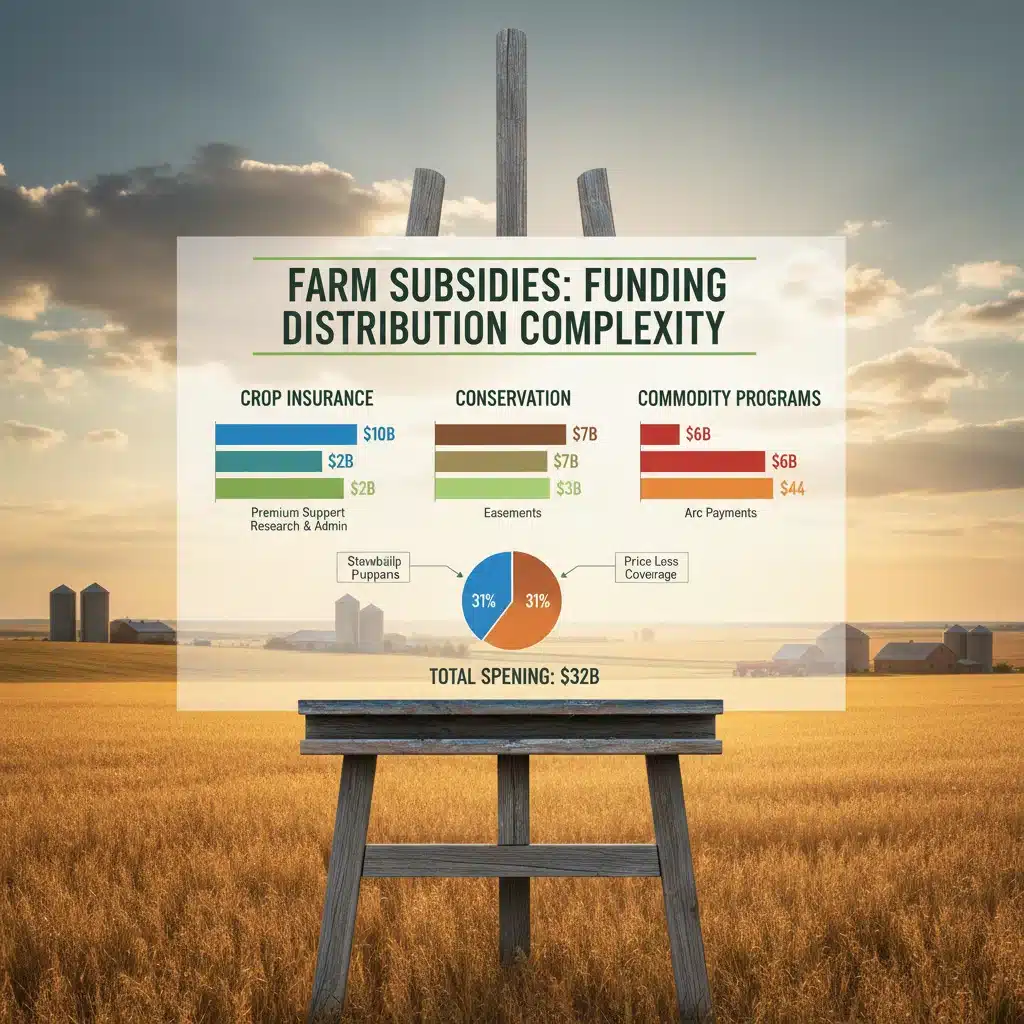
Agricultural subsidies are often the most debated aspect of the Farm Bill, drawing criticism from fiscal conservatives, environmentalists, and international trade partners. However, proponents argue they are essential for maintaining a stable food supply, protecting farmers from market volatility, and ensuring the economic viability of rural America. The 2026 Farm Bill will undoubtedly be a battleground for the future of these subsidies.
Arguments for and Against Agricultural Subsidies
Arguments for Subsidies:
- Food Security: Subsidies help ensure a consistent and affordable food supply by reducing farmer risk and encouraging production.
- Stabilizing Farm Income: They provide a crucial safety net for farmers, protecting them from unpredictable weather, pest outbreaks, and volatile global commodity prices, which can swing wildly due to factors beyond individual farmer control.
- Rural Economic Stability: Farm income supports rural economies through direct spending and employment in related industries.
- Disaster Relief: Subsidies, particularly through crop insurance, provide vital assistance after natural disasters, helping farmers recover and replant.
- Environmental Benefits: Some subsidies are tied to conservation practices, incentivizing farmers to adopt environmentally friendly methods.
Arguments Against Subsidies:
- Market Distortion: Critics argue that subsidies can distort market signals, encouraging overproduction of certain crops and potentially leading to lower prices for producers not receiving subsidies.
- Cost to Taxpayers: Agricultural subsidies represent a significant expenditure of taxpayer money, leading to calls for greater fiscal responsibility and efficiency.
- Disproportionate Benefits: There is persistent criticism that a large share of subsidy payments goes to the largest and wealthiest farms, rather than supporting small or struggling operations.
- Environmental Concerns: While some subsidies promote conservation, others are seen as encouraging monoculture farming or practices that can harm the environment.
- International Trade Issues: Subsidies can be viewed as unfair trade practices by other countries, leading to trade disputes.
The 2026 Farm Bill will need to navigate these competing perspectives, seeking a balance that supports the agricultural sector while addressing concerns about cost, equity, and environmental impact.
Potential Scenarios for the Future of Subsidies in the 2026 Farm Bill
Given the wide range of opinions and pressures, several scenarios could play out regarding agricultural subsidies in the 2026 Farm Bill:
- Increased Safety Net: Farmers and their advocates will likely push for higher reference prices and expanded coverage within crop insurance programs, citing rising input costs and climate-related risks. This would likely mean an increase in overall subsidy spending.
- Targeted Support: There could be a move towards more targeted subsidies, perhaps with stricter payment limits or eligibility criteria designed to benefit small and mid-sized farms, beginning farmers, or those adopting specific sustainable practices.
- Conservation-Linked Payments: A significant shift could involve more explicit linkages between subsidy payments and conservation compliance or the adoption of climate-smart agricultural practices. This would reframe some subsidies as investments in environmental stewardship.
- Reduced Overall Spending: Fiscal conservatives may push for an overall reduction in commodity program spending, arguing for greater market reliance and less government intervention. This would likely face strong opposition from agricultural lobbies.
- Innovation and Research Focus: While not directly subsidies, increased funding for agricultural research and development could indirectly reduce the need for certain direct payments by making farming more efficient, resilient, and profitable.
The final outcome for agricultural subsidies in the 2026 Farm Bill will depend heavily on the political climate, the strength of various lobbying efforts, and the economic conditions facing the agricultural sector at the time of negotiation.
Challenges and Opportunities for the 2026 Farm Bill
The drafting and passage of the 2026 Farm Bill will be fraught with challenges, but also present significant opportunities to reshape American agriculture for the better.
Major Challenges Ahead
- Political Polarization: The current political climate often makes consensus difficult, and the Farm Bill, with its vast scope and significant spending, is always a target for partisan debates.
- Budget Constraints: Competing demands for federal funds will put pressure on the Farm Bill’s budget, especially for programs that are seen as discretionary.
- Diverse Stakeholder Interests: Balancing the needs of large commodity growers, specialty crop producers, organic farmers, environmental groups, food assistance advocates, and rural communities is an enormous undertaking.
- Climate Change Adaptation: Developing policies that effectively help farmers adapt to and mitigate the impacts of climate change, such as extreme weather events and changing growing seasons, is a complex challenge.
- Global Market Dynamics: The bill must consider the impact of global trade agreements, international competition, and geopolitical events on U.S. agriculture.
Opportunities for Positive Change
- Promoting Sustainability: The 2026 Farm Bill offers a chance to significantly expand and strengthen programs that incentivize sustainable and climate-smart agricultural practices, leading to healthier soils, cleaner water, and reduced emissions.
- Strengthening the Food System: By supporting local and regional food systems, farmers markets, and direct-to-consumer sales, the bill can enhance food security and provide new economic opportunities for farmers.
- Supporting New Farmers: Focused initiatives for beginning and socially disadvantaged farmers can ensure the vitality and diversity of the agricultural workforce for generations to come.
- Addressing Rural Disparities: Continued investment in rural development, including broadband and healthcare, can help close the opportunity gap between urban and rural areas.
- Fostering Innovation: Increased funding for agricultural research can drive innovation in crop varieties, pest management, and farming technologies, making the sector more resilient and productive.
The 2026 Farm Bill is not just about farming; it’s about the future of our planet, our food, and our communities. It represents a critical opportunity to address some of the most pressing challenges facing the nation.
The Road Ahead: Timeline and Advocacy
The process of drafting, debating, and passing the 2026 Farm Bill is a multi-year endeavor. While the current bill technically expired in 2023 and has been extended, the real work for the next iteration is already well underway. Congressional committees, particularly the House and Senate Agriculture Committees, are holding hearings, gathering input from stakeholders, and beginning to draft legislative language. Interest groups, from farmer associations to environmental organizations and anti-hunger advocates, are actively lobbying their positions.
Key milestones in the process typically include:
- Listening Sessions and Hearings: Members of Congress travel across the country to hear directly from farmers, ranchers, and rural residents.
- Committee Markups: The House and Senate Agriculture Committees draft and refine their respective versions of the bill.
- Floor Votes: Each chamber of Congress votes on its version of the bill.
- Conference Committee: If the House and Senate pass different versions, a conference committee is formed to reconcile the differences and produce a final bill.
- Presidential Signature: The final bill must be signed into law by the President.
Given the complexity and scope, the process can often be protracted, involving extensions of existing legislation while negotiations continue. For the 2026 Farm Bill, the goal is to have a new bill enacted before the end of 2025, to avoid further extensions and provide certainty for agricultural planning. However, this timeline is ambitious and subject to political realities.
For individuals and organizations interested in influencing the 2026 Farm Bill, engaging with elected officials, participating in public forums, and supporting advocacy groups are crucial steps. The diverse impacts of the bill mean that a wide array of voices needs to be heard to ensure a comprehensive and equitable outcome.
Conclusion: The Enduring Significance of the 2026 Farm Bill
The 2026 Farm Bill stands as a pivotal piece of legislation that will shape the trajectory of American agriculture, food policy, and rural communities for the next five years and beyond. The debates surrounding its key provisions, particularly agricultural subsidies, conservation efforts, and nutrition programs, are not merely technical discussions but reflections of deeply held values and competing visions for the nation’s future.
From ensuring a stable and affordable food supply to fostering environmental stewardship and supporting the economic vitality of rural America, the stakes are incredibly high. The challenges of climate change, global food security, and economic pressures on farmers will demand innovative and thoughtful solutions within the framework of this bill. As stakeholders continue to engage in robust discussions, the hope is that the final legislation for the 2026 Farm Bill will strike a balance that supports a resilient, sustainable, and equitable agricultural system for all Americans. Its passage will be a testament to the enduring importance of public policy in guiding one of the nation’s most fundamental industries.