2025 US Housing Market Forecast: Investment Opportunities & Risks

The 2025 US housing market is anticipated to navigate a complex landscape of evolving interest rates, fluctuating inventory, and shifting demand, presenting both strategic investment opportunities and inherent risks for prospective buyers.
As we approach the mid-point of the decade, the 2025 US housing market stands at a pivotal juncture, promising a dynamic environment for both seasoned investors and first-time homebuyers. Understanding the intricate balance of economic indicators, demographic shifts, and policy changes is crucial to navigating this evolving landscape successfully. This comprehensive analysis will dissect the potential opportunities and inherent risks, offering a clear perspective for anyone considering a real estate move in the coming year.
Understanding the Current Economic Climate
The foundation of any housing market forecast lies in a thorough understanding of the broader economic climate. Factors such as inflation, employment rates, and consumer confidence play significant roles in shaping demand and affordability. The year leading up to 2025 has seen a series of adjustments in fiscal and monetary policies, and these changes are expected to ripple through the real estate sector, influencing everything from mortgage rates to housing supply.
Inflation, while showing signs of moderation, remains a key concern. Its trajectory will directly impact the Federal Reserve’s decisions regarding interest rates, which in turn dictate the cost of borrowing for homebuyers. A stable inflation rate could lead to more predictable mortgage conditions, fostering greater market confidence. Conversely, persistent inflationary pressures might necessitate tighter monetary policies, potentially increasing the financial burden on buyers.
The Influence of Interest Rates
Interest rates are arguably the most critical determinant of housing market activity. Small fluctuations can significantly alter affordability and monthly payments, influencing buyer behavior. Experts are closely watching the Federal Reserve’s stance on rate adjustments, with most predictions leaning towards a stabilization or slight decrease in rates as inflation cools.
- Mortgage Rate Outlook: While not expected to return to pre-pandemic lows, mortgage rates in 2025 are projected to settle into a more predictable range, potentially making homeownership more accessible than in recent volatile periods.
- Impact on Affordability: Lower interest rates directly translate to lower monthly mortgage payments, enhancing purchasing power for a wider segment of the population.
- Buyer Confidence: Stabilized rates tend to boost buyer confidence, encouraging more individuals to enter the market rather than waiting for further rate drops.
In essence, the economic backdrop for 2025 appears to be one of cautious optimism, with a focus on achieving a soft landing from previous economic turbulences. This stability, if realized, could provide a more fertile ground for real estate transactions, but vigilance remains essential.
Forecasting Housing Inventory and Supply
The availability of homes for sale, or housing inventory, is another critical component of the 2025 US housing market. For several years, the market has grappled with historically low inventory levels, a factor that has consistently driven up prices. Understanding whether this trend will persist, ease, or intensify is vital for both buyers and sellers.
There are several forces at play shaping the future of housing supply. New construction, while facing challenges like labor shortages and material costs, is slowly increasing, particularly in certain metropolitan areas. However, this new supply may not be enough to fully alleviate the pent-up demand, especially in high-growth regions. Existing homeowners’ willingness to sell also plays a significant role; many have been reluctant to move due to favorable mortgage rates on their current homes, a phenomenon often referred to as the ‘lock-in effect.’
New Construction Trends
Builders are responding to demand, but the pace is often hampered by various factors. Regulatory hurdles, zoning restrictions, and the availability of buildable land continue to present obstacles. Furthermore, the cost of materials and skilled labor remains elevated, influencing the final price point of new homes.
- Single-Family vs. Multi-Family: While single-family home construction is picking up, multi-family units, such as apartments and condos, are seeing significant growth, particularly in urban centers, catering to a different segment of the market.
- Regional Disparities: Some regions, especially those with strong job markets and less restrictive building codes, are experiencing more robust construction activity than others.
- Sustainability Focus: A growing trend in new construction is the emphasis on sustainable and energy-efficient homes, appealing to environmentally conscious buyers and potentially offering long-term savings on utility costs.
The delicate balance between new construction, existing home sales, and demographic shifts will ultimately determine the inventory levels in 2025. While a significant surge in inventory is not widely anticipated, any gradual increase could help temper price growth and provide more options for buyers.
Regional Market Trends and Hotspots
The 2025 US housing market is far from monolithic; it is a patchwork of diverse local economies, each with its own unique dynamics. What holds true for one region may not apply to another, making a localized analysis essential for informed decision-making. Certain areas are projected to continue their growth trajectories, while others may experience a cooling or even a slight correction.
Factors influencing regional variations include job growth, migration patterns, affordability, and local government policies. Tech hubs, for instance, often see sustained demand due to high-paying jobs, while areas with strong retirement communities might prioritize different types of housing and amenities. Understanding these nuances is crucial for identifying genuine investment opportunities and avoiding potential pitfalls.
Emerging Growth Areas
Several regions are consistently highlighted as potential hotspots for growth in 2025. These areas typically boast strong economic fundamentals, growing populations, and a relatively more favorable cost of living compared to traditional expensive coastal markets. The migration trend towards more affordable, yet economically vibrant, cities is expected to continue.
- Southeastern States: Cities in Florida, Georgia, and the Carolinas continue to attract residents and businesses, driving demand for housing.
- Texas Metros: Major Texas cities like Austin, Dallas, and Houston benefit from robust job markets and lower taxes, fueling housing demand.
- Mountain West: States such as Idaho, Montana, and Arizona are seeing an influx of residents seeking a better quality of life and remote work opportunities.
Conversely, some historically expensive markets may see a plateau or minor price adjustments as affordability constraints push buyers towards more accessible areas. Investors should conduct thorough due diligence on local market conditions, employment statistics, and future development plans before committing.
Investment Opportunities for US Buyers in 2025
Despite the complexities, the 2025 US housing market is expected to present a range of compelling investment opportunities for those who approach it strategically. From traditional residential properties to niche segments, understanding where to look and what to prioritize can yield significant returns. The key lies in identifying undervalued assets, capitalizing on demographic shifts, and leveraging favorable financing conditions.
For many, the primary residence remains the most significant investment. However, beyond personal homeownership, there are avenues for passive income through rental properties or capital appreciation through strategic renovations. The evolving landscape also means new opportunities in areas like short-term rentals and properties catering to an aging population or a growing remote workforce.
Strategic Investment Avenues
Diversification and careful market analysis are paramount for successful real estate investment. Focusing on areas with strong rental demand, positive job growth, and limited new supply can mitigate risks and enhance potential returns.
- Rental Properties: With continued high demand for rentals, particularly in urban and suburban areas, investing in single-family homes or multi-family units for long-term rental income remains attractive.
- Fix-and-Flip: For experienced investors, properties requiring renovation in desirable locations can offer substantial profit margins, especially as construction costs stabilize.
- Emerging Markets: Targeting secondary cities or suburban areas experiencing significant growth can offer higher appreciation potential compared to saturated primary markets.
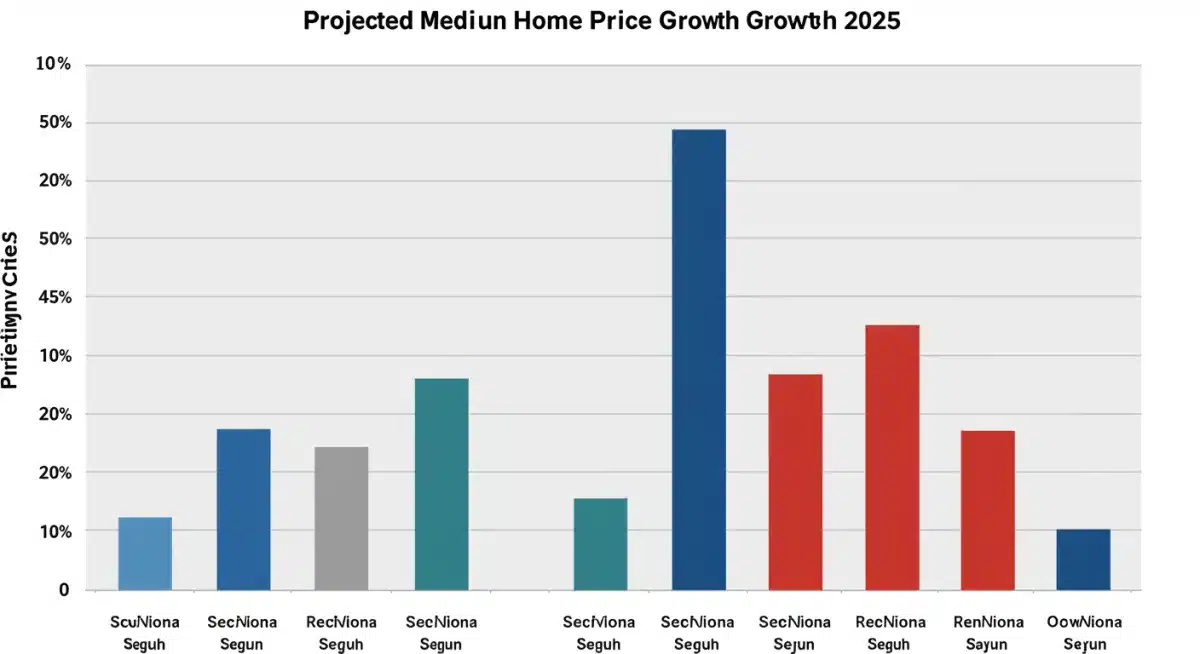
Furthermore, understanding the tax implications of real estate investment and consulting with financial advisors can optimize returns. The 2025 market is likely to reward those who are patient, well-researched, and adaptable to changing market conditions.
Identifying and Mitigating Risks
No investment, especially in real estate, comes without its share of risks. The 2025 US housing market, while offering opportunities, also harbors potential challenges that buyers must carefully consider. Being aware of these risks and developing strategies to mitigate them is as important as identifying profitable ventures.
Economic downturns, unexpected interest rate hikes, and localized market corrections are all possibilities that could impact property values and investment returns. Moreover, individual risks such as unforeseen property maintenance costs, tenant issues for landlords, or personal financial instability can significantly affect a buyer’s experience. A comprehensive risk assessment is an indispensable part of any real estate strategy.
Key Risks to Watch For
Staying informed about economic indicators and market forecasts can help buyers anticipate and prepare for potential headwinds. Diversifying investments and maintaining a healthy emergency fund are also crucial protective measures.
- Interest Rate Volatility: While stabilization is expected, unexpected economic events could lead to renewed rate hikes, impacting affordability and market sentiment.
- Market Overvaluation: Certain localized markets may experience overvaluation, increasing the risk of a price correction. Careful analysis of local fundamentals is key.
- Economic Slowdown: A broader economic slowdown could lead to job losses, reducing consumer confidence and housing demand.
- Property Maintenance Costs: For investors and homeowners alike, unexpected repair and maintenance expenses can significantly eat into profits or budgets.
Mitigating these risks involves thorough due diligence, securing adequate financing, maintaining a conservative budget, and considering various insurance policies. Engaging with experienced real estate professionals and financial advisors can also provide invaluable guidance in navigating potential challenges.
Navigating the Mortgage and Financing Landscape
The mortgage and financing landscape in 2025 will be a critical determinant for many US buyers. Access to capital, the terms of loans, and the variety of financing options available will directly impact who can purchase a home and at what cost. Understanding the nuances of this environment is essential for securing the best possible deal.
Expect lenders to continue offering a range of products, from conventional loans to government-backed options like FHA, VA, and USDA loans, each with specific eligibility criteria and benefits. The prevailing interest rate environment will naturally shape the attractiveness of fixed-rate versus adjustable-rate mortgages, and buyers will need to weigh their personal risk tolerance against market predictions.
Key Financing Considerations
Preparing your finances well in advance, improving your credit score, and understanding all available loan programs can significantly enhance your borrowing power and secure more favorable terms.
- Credit Score Importance: A strong credit score is paramount for securing the most competitive interest rates and loan terms.
- Down Payment Strategies: While a 20% down payment is often recommended, various programs allow for lower down payments, though private mortgage insurance (PMI) may be required.
- Pre-Approval vs. Pre-Qualification: Obtaining a mortgage pre-approval provides a stronger negotiating position by demonstrating your financial readiness to sellers.
- Government-Backed Loans: FHA, VA, and USDA loans offer unique benefits, such as lower down payments or no down payment options for eligible buyers, making homeownership more accessible.
The 2025 financing landscape will likely favor well-prepared buyers with solid financial standings. Seeking advice from mortgage brokers can help demystify the process and identify the most suitable loan products tailored to individual circumstances and financial goals.
The Role of Technology and Demographics
Beyond traditional economic indicators, the 2025 US housing market will increasingly be shaped by technological advancements and evolving demographic trends. These forces are subtly, yet powerfully, altering how homes are bought, sold, and even designed. From AI-powered search tools to the preferences of younger generations, understanding these shifts offers a forward-looking perspective.
Technological innovations are streamlining the home-buying process, making it more transparent and efficient. Virtual tours, online mortgage applications, and data analytics tools empower buyers with more information than ever before. Simultaneously, demographic shifts, such as the aging population and the coming-of-age of Gen Z, are creating new demands for housing types, locations, and amenities.
Demographic Influences on Housing Demand
Each generation brings its unique set of preferences and financial realities to the housing market, influencing demand for specific property types and locations.
- Millennial Homeownership: As the largest generation, millennials continue to drive a significant portion of home purchases, often seeking suburban homes with good schools and amenities.
- Gen Z Entry: The youngest adult generation is beginning to enter the market, prioritizing affordability, sustainability, and urban-adjacent living with access to public transport.
- Aging Population: The growing number of retirees is fueling demand for age-restricted communities, single-level homes, and properties with accessible features.
Technological Advancements in Real Estate
Technology is not just a convenience; it’s a transformative force in real estate, enhancing accessibility and efficiency for all market participants.
- AI and Data Analytics: Artificial intelligence is used for predictive market analysis, personalized property recommendations, and even optimizing pricing strategies.
- Virtual and Augmented Reality: These technologies offer immersive property tours, allowing buyers to explore homes remotely and visualize potential renovations.
- Blockchain for Transactions: While still nascent, blockchain technology holds the potential to streamline property transactions, making them more secure and transparent.
Embracing these technological tools and understanding demographic shifts will be key to making informed decisions in the 2025 housing market. They offer valuable insights into future demand patterns and property values, guiding buyers towards more strategic investments.
| Key Aspect | 2025 Outlook |
|---|---|
| Mortgage Rates | Expected to stabilize or slightly decrease, improving affordability. |
| Housing Inventory | Gradual increase in new construction, but overall supply remains tight. |
| Regional Growth | Southeastern states and Texas metros likely to be hotspots. |
| Investment Risks | Interest rate volatility and localized overvaluation remain key concerns. |
Frequently Asked Questions About the 2025 US Housing Market
Mortgage rates are generally expected to stabilize or potentially see slight decreases in 2025, moving away from the higher volatility of previous years. This outlook is contingent on inflation continuing to moderate, which would allow the Federal Reserve to maintain or ease its monetary policy.
While new construction is gradually increasing, a dramatic surge in overall housing inventory is not widely anticipated for 2025. Supply is expected to remain somewhat tight in many regions, although some markets may see more balanced conditions due to localized construction efforts and shifts in homeowner selling patterns.
Southeastern states, particularly Florida, Georgia, and the Carolinas, along with major metropolitan areas in Texas like Austin and Dallas, are frequently cited as potential hotspots. These regions benefit from strong job growth, inward migration, and a relatively favorable cost of living, driving sustained housing demand.
Key risks include potential interest rate volatility, the possibility of localized market overvaluation leading to price corrections, and the broader impact of any unexpected economic slowdown. Buyers should also account for unforeseen property maintenance costs and ensure robust financial planning.
Technology will continue to enhance the home-buying experience through AI-powered search tools, immersive virtual tours, and streamlined online mortgage applications. These advancements provide buyers with greater access to information, improve efficiency, and offer more personalized property recommendations, making the process more transparent.
Conclusion
The 2025 US housing market is shaping up to be a year of nuanced opportunities and manageable risks for astute buyers. While interest rates are expected to stabilize and potentially ease, and new construction aims to incrementally boost inventory, regional disparities and broader economic factors will continue to dictate local market conditions. Successful navigation of this landscape will hinge on thorough research, strategic financial planning, and an informed understanding of both macro and microeconomic trends. By carefully evaluating investment potential, mitigating identified risks, and leveraging technological tools, US buyers can position themselves advantageously in the evolving real estate environment of 2025.